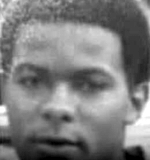
On August 26, 2016, Ramon Tolbert, aged 35, was fatally shot in Chicago, Illinois, during a particularly violent period for the city. The incident occurred in a year when Chicago experienced a sharp increase in homicides, reaching rates not seen for nearly two decades. August alone recorded 92 murders, making it the deadliest month in over 20 years.
The shooting that claimed Tolbert's life was part of an alarming spike in gun violence that year, reflecting a broader surge in both fatal and non-fatal shootings across the city.
The increase in homicides during this period was attributed to multiple factors, including escalating tensions among street gangs and a rise in gun-related incidents. Data from the Chicago Police Department's CLEAR system, which tracks crime incidents, shows that there was a significant year-over-year surge in violence throughout the city, severely straining law enforcement efforts. Tolbert’s death is among the numerous cases that demonstrate the challenges faced by the community and the police in curbing this violence.
Tolbert's death contributes to the sobering statistics that underline the complexities of crime control in Chicago. Despite increased community awareness and efforts to implement measures to combat gun violence, the challenges remain persistent. August 2016, with its high homicide rate, underscores the urgent need for effective strategies to address the deep-rooted issues contributing to the city’s violence.