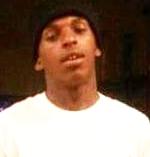
On October 24, 2017, Robert Ward, aged 23, was found shot to death in Chicago, Illinois. His death was one of the many homicides that contributed to Chicago's grim statistics for that year, which saw over 500 recorded homicides. The incident occurred during a time when Chicago was grappling with a surge in violent crime, predominantly involving firearms, especially in areas on the South and West Sides of the city that had been particularly impacted by gang activity and socio-economic struggles.
Ward was among the victims whose deaths were part of a larger pattern of violence in the city. The data from the City of Chicago’s homicide reports show that incidents like Ward's were frequently linked to ongoing issues such as gang rivalry, retaliatory violence, or opportunistic crime. Details on his specific case indicate that like many other homicides in Chicago, the circumstances were often challenging to investigate due to a lack of witnesses or solid leads, which hindered law enforcement's ability to bring justice to victims and their families.
Despite efforts by the Chicago Police Department and community activists, Ward’s murder remains a part of the ongoing problem of unsolved homicides in Chicago. The high homicide rate in 2017 reflects a broader pattern of systemic issues, including strained community-police relations, limited access to resources for violence prevention, and concentrated poverty in certain neighborhoods. These factors combined to make the year particularly deadly, with Robert Ward's death being one of the many tragedies in an ongoing public safety crisis.