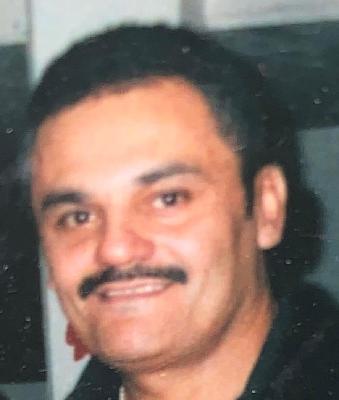
Marvil Clifton, a 44-year-old resident of Chicago, was killed on November 22, 2017. His death was one of several fatal shootings that day, contributing to the ongoing wave of gun violence that continued to afflict Chicago in 2017. The incident took place during a year when the city's homicide count, although showing some decline from the prior year, remained alarmingly high.
Clifton's death occurred in a climate of entrenched violence where the toll of gun-related deaths was a stark reminder of the struggles faced by the city to curb such incidents.
The year 2017 saw Chicago grappling with a considerable number of homicides, with over 500 fatalities recorded by the end of the year. Although this was a slight decrease from previous years, it was still indicative of the city’s challenges with violent crime. Many of the homicides were concentrated in specific neighborhoods plagued by issues such as gang violence, systemic poverty, and inadequate community resources. The circumstances surrounding Clifton's death, similar to many other cases that year, point to the broader issues of firearm accessibility and the ongoing violence that affects many communities in Chicago.
The challenges faced by law enforcement and community members were exacerbated by a declining homicide clearance rate, which stood at just 21% in 2016. A general mistrust of police and fears of retaliation often prevented community members from coming forward with information, hindering the resolution of cases like Clifton's. Despite various initiatives aimed at reducing crime, such as increased police patrols and community outreach programs, the pervasive nature of violence in certain parts of the city made it difficult to sustain improvements in safety and security. Clifton's death underscores the continuous struggles for many families in Chicago to find peace amidst an environment still marred by frequent and senseless acts of violence.