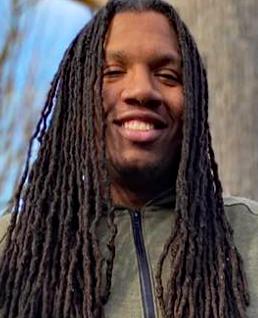
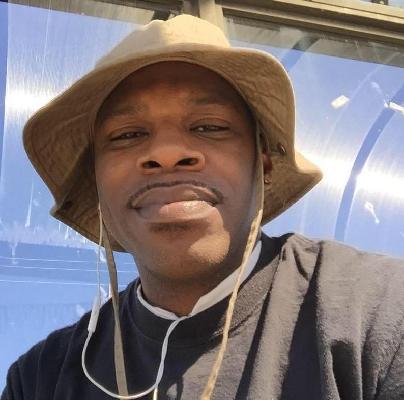
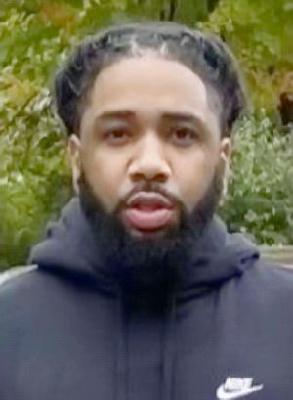
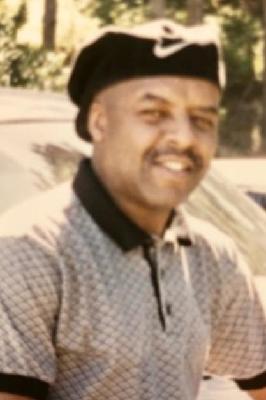
Willie Charles Smith II, a 16-year-old Black male from Flint, Michigan, grew up surrounded by a large and tightly knit family who knew him best by his nickname, “Dootie.” Born in Flint in 2006, he was remembered in his obituary as a teenager who loved basketball, football, music, and dancing, and who had the kind of personality that lit up a room.
Friends and relatives recalled how he would clean the house even when it was already tidy, and how his energy, humor, and kindness made him a joy to be around. He moved between school, youth programs, and neighborhood life with an easy smile, leaving strong impressions on teachers, coaches, and classmates who later wrote about how respectful, upbeat, and caring he was.
On January 16, 2023, an ordinary day in Flint turned into a tragedy that would reverberate through his family and community. That day, Willie was in the basement of a relative’s home—described in court filings as his friend’s aunt’s house—spending time with friends. According to prosecutors and later court testimony, one of those friends, 17-year-old Makhi McPherson, had a handgun and began handling it in what he would later describe as a reckless, almost playful way. McPherson told the court that he removed the magazine from the gun and believed it to be safe, not realizing that a single round remained in the chamber. As the teens were in the basement, the weapon discharged. The bullet struck Willie, mortally wounding him and turning what had been a casual gathering into a frantic scene of panic and disbelief.
Police and medical responders were called, but Willie did not survive the injury and was pronounced dead that same day. In the days that followed, his death was recorded as a homicide caused by gunfire, and the grief of his family and friends spilled into memorial services, online tributes, and a sorrowful community conversation about youth, guns, and preventable loss. His mother and stepfather later told reporters that they had been informed the shooting was an accident, a detail that underscored the complicated emotions they carried: anguish over the death of their son and a recognition that the young person responsible had not set out that day intending to kill him.
Even as those closest to Willie wrestled with the idea of an accidental shooting, the criminal justice system moved forward with serious charges. Investigators focused on McPherson as the person who had handled the gun when it went off, and he was arrested and charged in Genesee County. Prosecutors initially pursued an open murder charge—leaving it to a jury to decide whether the facts fit first- or second-degree murder—along with a felony-firearm count. At a preliminary stage, a judge found there was enough evidence to send the case to circuit court, and McPherson was bound over for trial. News coverage at the time noted that the case was scheduled to be tried in mid-2023, highlighting the tension between the characterization of the shooting as an accident and the severity of the charges he faced.
Over the next year, the case shifted from a looming murder trial to a plea-driven resolution. In April 2024, McPherson—by then 18—appeared in court and pleaded guilty to involuntary manslaughter, acknowledging that his actions in handling the gun were negligent and that this negligence caused Willie’s death. In exchange for that plea, the prosecution dropped the felony-firearm charge and stepped back from the original open-murder allegation, while still emphasizing that the conduct was far too reckless to be excused as a simple accident. Reports on the plea described how prosecutors accepted that McPherson had not intended to kill his friend, but argued that his careless behavior with a loaded weapon demanded a significant sanction.
Sentencing came later, in early January 2025, with McPherson now 19 years old standing before Genesee County Circuit Court Judge Elizabeth Kelly. The judge imposed a sentence that would keep him behind bars for at least seven years, reflecting both the gravity of taking a life and the acknowledgment that this was not a premeditated killing. He received credit for roughly 670 days he had already spent in jail awaiting the outcome of the case—just shy of two years—effectively reducing the remaining time he would need to serve. The courtroom account described how, at sentencing, the narrative was not one of strangers but of two young men who had been friends, their lives forever separated by a single, irreversible moment of recklessness.
While the legal chapter closed with a conviction and prison term, Willie’s story continued to be told in memorials and remembrances. Funeral services were held at Sheldon T. Banks Funeral Chapel in Flint, with a family hour preceding the service, and he was laid to rest at Sunset Hills Cemetery in the same city. Obituary and memorial pages describe rows of relatives—parents, stepparents, grandparents, siblings, a niece, and many cousins—along with teachers, neighbors, and friends who spoke of his smile, his politeness, and the way he “made an impact on everyone he met.” For those who loved him, the case was never just about court documents and charges; it was about a teenager who loved sports and music, who joked with classmates and cared about keeping his home clean, whose life ended in a basement on a winter afternoon because a gun that was thought to be empty still had a single bullet left inside.