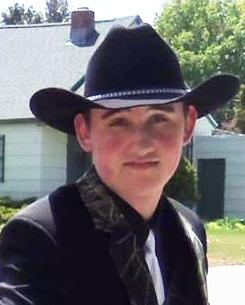
In the crisp autumn air of October 21, 1998, in Missoula, Montana, the life of 47-year-old Caucasian male, Robert Heinle, a sergeant with the Missoula Police Department, was irrevocably altered. Responding to a report of a man attempting to cash a forged check at a local bank, Heinle arrived to find the suspect fleeing the scene. A foot pursuit ensued through the downtown streets, culminating in a parking lot where the suspect, Jamie Martin, ambushed the officer.
Martin fired a handgun, striking Heinle in the neck and shoulder, the bullets piercing him just above his protective vest. The wounds were catastrophic, leaving him paralyzed from the neck down.
First-responding officers found Heinle without a pulse and not breathing, but their immediate medical intervention managed to save his life. The initial struggle for survival was followed by a long and arduous journey. Heinle spent months in a rehabilitation hospital, grappling with the reality of his new life as a quadriplegic. Despite the immense challenges, he returned home to Missoula, where he and his wife, Lisa, began the difficult process of adapting to their new normal. With the support of his community, friends, and family, Heinle faced his circumstances with a spirit that was widely described as inspirational. He learned to use adaptive equipment, including a sip-and-puff rifle mount that allowed him to continue his passion for hunting.
While Robert Heinle survived the immediate shooting, the complications from his injuries were a constant battle. For over eleven years, he lived with the severe physical limitations imposed by the shooting. On February 12, 2010, two days after his 47th birthday, Robert Heinle succumbed to these long-term complications. His death was a direct result of the wounds inflicted by Jamie Martin more than a decade earlier.
The man responsible for the shooting, Jamie Martin, was apprehended shortly after his attack on Heinle. Following a high-profile trial, he was convicted on multiple charges, including attempted deliberate homicide. A jury found him guilty, and he was subsequently sentenced to life in prison for his actions, ensuring he would be held accountable for the violent act that ultimately led to the death of Sergeant Robert Heinle.