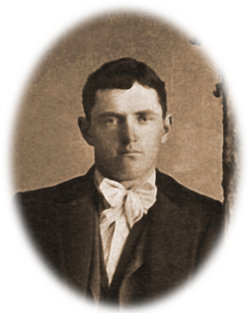
In the harsh and unforgiving landscape of southern Idaho, a bitter conflict between cattle ranchers and sheepherders simmered, often boiling over into violence. It was against this backdrop of simmering tensions that the lives of two young men were tragically cut short. On February 4, 1896, John Wilson, a 25-year-old male sheepherder, and his companion, Daniel Cummins, were found shot to death at their sheep camp, located about 25 to 30 miles south of what is now Twin Falls.
The discovery of their bodies, roughly two weeks after they were killed, sent shockwaves through the region and set in motion a long and convoluted legal drama. The men were identified as Mormon sheepherders, part of a growing number of sheepmen encroaching on what cattle ranchers considered their territory.
Suspicion quickly fell upon a notorious gunman employed by a large cattle company, a man known as 'Diamondfield Jack' Davis. Known for his aggressive tactics in intimidating sheepherders, Davis became the prime suspect. Evidence, though circumstantial, seemed to point in his direction, and he was subsequently arrested, tried, and convicted of the murders. The trial was a contentious affair, deeply dividing the local community along the lines of the ongoing range war. Davis was sentenced to hang for the crime, and it appeared that justice, swift and severe, had been served.
However, the case took a dramatic and unexpected turn. As Diamondfield Jack's execution date neared, two other men, James Bower and Jeff Gray, both employees of the same cattle company that employed Davis, came forward with a startling confession. They admitted to being the ones who had shot Wilson and Cummins, but they claimed the act was one of self-defense. According to their account, an argument had erupted at the sheepherders' camp, leading to a physical altercation. Bower and Gray maintained that they had fired their weapons only when they felt their lives were in danger. In the wake of this new testimony, Diamondfield Jack Davis was eventually pardoned and released from prison, his name cleared of the murders. The confession of Bower and Gray, while closing one chapter of the story, left a lingering sense of ambiguity and highlighted the brutal realities of life and death during the turbulent range wars of the American West.