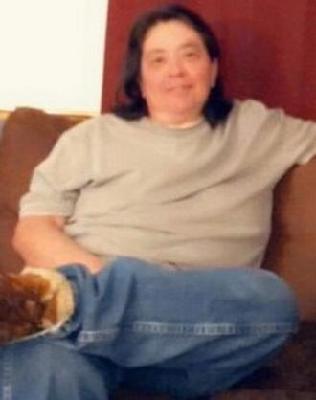
Muriel Chidsey, an 85-year-old White woman, died in Lander, Wyoming, on September 7, 2016, in the quiet, familiar setting of her own home. What looked at first like a private tragedy became something investigators had to name plainly: her death was ruled a homicide by the Fremont County Coroner’s Office, meaning it was not an accident, not natural, and not self-inflicted.
The next day, September 8, she and her husband were discovered inside the residence, and the stillness of the house told a story no neighbors could have guessed from the outside.
Authorities determined that Muriel’s husband, Charles Chidsey, shot her and then turned the gun on himself. His death was attributed to a self-inflicted gunshot wound, closing the circle of violence within the same walls where the couple had lived their everyday life. Investigators believed the deaths occurred about a day before they were found, placing the fatal sequence on September 7 and leaving a narrow window where no one outside the home knew what had happened.
As the scene was processed and the facts were pieced together, the coroner’s office said the evidence suggested the act had been planned in advance. That detail cast the incident in a darker light—not an impulsive outburst, but something approached deliberately, with steps taken before the first shot was fired. The determination of a planned homicide-suicide reframed the case from a mystery into a grim conclusion: the person responsible for Muriel’s killing was also the person who could never be questioned in court.
Because the suspected shooter died at the scene, there were no arrests to announce, no suspect search, and no prosecution to unfold afterward. The investigation focused on confirming what happened, documenting the circumstances, and formally classifying the deaths so that the record matched the reality. In the end, the case left no courtroom drama—only the stark finality of a life taken, and the heavy aftermath carried by those who knew Muriel and the community that learned, after the fact, what had happened behind a closed door.