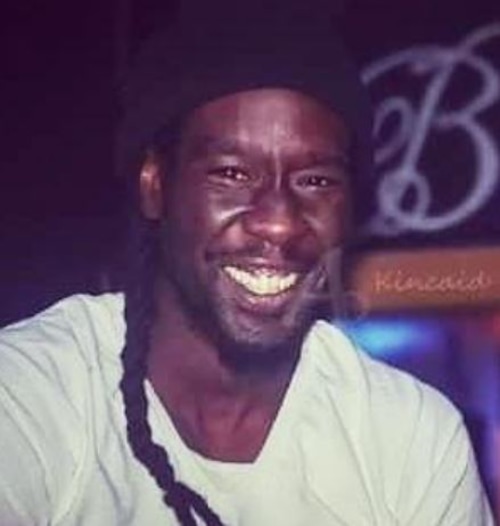
Vincent Lewis, a 42-year-old Black man, was killed on September 20, 2008, inside his home on South Park Terrace in Birmingham’s Five Points West area. The killing unfolded in a setting that already sounded tense and fearful: according to the available online accounts, Lewis’s wife told her 26-year-old son that Lewis had threatened her with a knife, and the confrontation turned deadly inside the house.
In the broader record of Birmingham’s 2008 homicide crisis, his death was listed among the city’s 89 homicides that year, one of many lives lost in a season when violence had become a grim rhythm across the city.
What makes the case especially stark is how quickly the story narrows to the family circle. The public summaries that remain online do not describe a stranger slipping into the home or a robbery gone wrong. Instead, they point to a domestic emergency that escalated in moments, ending with Vincent Lewis shot in the very place that should have been safest. The surviving public details are sparse, but they consistently place the shooting at his residence and connect it to the son’s actions after the alleged knife threat was reported by Lewis’s wife.
As for suspects and arrests, the online record is limited and not entirely uniform in how it describes the immediate aftermath. The clearest publicly accessible case summary in Birmingham’s 2008 homicide listing says Lewis was shot after his wife spoke to her son and states that there was no arrest in the case. I did not find reliable online reporting showing that anyone was formally charged, tried, or convicted in Vincent Lewis’s death, and I did not find dependable public records establishing a later prosecution. Based on the sources I could verify online, the son is the only person publicly described in connection with the shooting, but the case trail available on the open web does not show a completed prosecution.
So the story that remains is a brief, painful one: Vincent Lewis died in Birmingham on September 20, 2008, after a violent domestic confrontation inside his South Park Terrace home, and the public record that survives online leaves the case in an uneasy place. It preserves the basic outline of how he died and who was said to be involved, but it does not clearly show the kind of legal ending that gives a case a final chapter. Instead, Lewis’s death lingers in the record as one more tragedy from a year when Birmingham kept counting its dead and too many families were left with answers that felt incomplete.