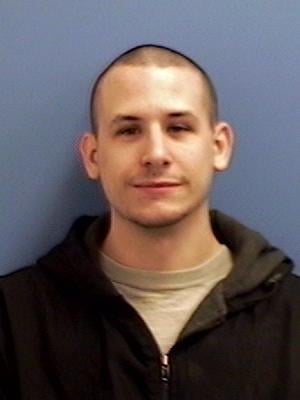
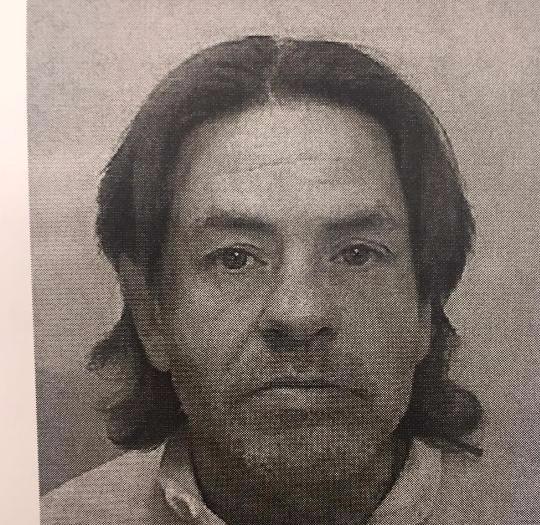
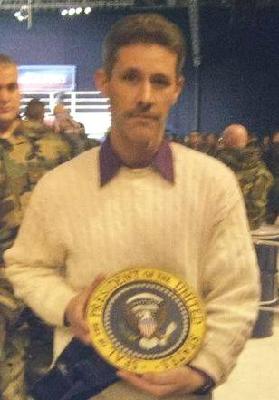
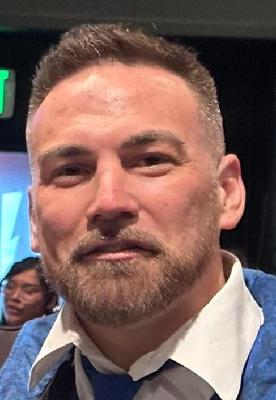
White/Caucasian male Dan Richard Seely, age 39, died on October 26, 1996, in Anchorage, Alaska, after a domestic-violence warrant service turned into a cascade of gunfire and heartbreak. A ten-year veteran of the Anchorage Police Department and a senior patrol officer, he volunteered to handle the warrant for a man who had inserted himself back into his estranged family's life that morning in the Chugiak area, just north of the city.
When Officer Seely arrived, the suspect was not in the residence; moments later the man returned, armed and wearing a concealed shoulder holster. Inside the home, the confrontation compressed into seconds: the suspect opened fire down a hallway and shot Officer Seely in the face at close range. Despite immediate response and transport, Officer Seely succumbed to his wounds at Providence Hospital within the hour.
What followed amplified the horror. After ambushing the officer, the gunman fled to a nearby house where his estranged wife had sought refuge with their two children. There, he murdered his five-year-old daughter and four-year-old son, critically wounded his wife, and then killed himself. The swift sequence—an ambush, a chase to the neighboring home, and a murder-suicide—left three members of one community dead and a fourth fighting for life, while colleagues and neighbors absorbed the loss of an officer who had stepped forward to protect a family in danger.
Officer Seely's death reverberated through Anchorage law enforcement and beyond. He was memorialized as a senior patrol officer with badge number 803, remembered for running toward the most volatile kind of call—domestic violence, with a history of threats and an active warrant—knowing how quickly such scenes can turn. Accounts of the day underscore how little time separated routine procedure from fatal ambush and how thoroughly the suspect's concealed weapon and surprise dictated the outcome. In retrospectives and official remembrances, his end of watch is fixed as Saturday, October 26, 1996, a case study in the hazards officers face when serving warrants in domestic settings.
Regarding arrests or identified suspects, the sole suspect was named publicly as Paul Ely Jr., who died by suicide at the scene after killing the children and wounding his estranged wife. Because the perpetrator took his own life immediately after the shootings, there were no arrests, prosecutions, or ongoing suspect searches in Officer Seely's killing. Contemporary reporting and department records consistently present the timeline as closed that same day: a warrant service, an ambush, a flight to the neighboring refuge, and a self-inflicted death that foreclosed the criminal case even as it deepened the tragedy.
In the days that followed, the community gathered to mourn a fallen officer whose end of watch came in the service of a household under threat. Tributes noted his decade with the Anchorage Police Department and fixed his age as 39 at the time of death, while colleagues emphasized that he had volunteered for the call. His name endures on police memorials and in department rolls of honor, a reminder of the split-second turns that can define a domestic-violence response and the irrevocable cost borne by those who answer it.