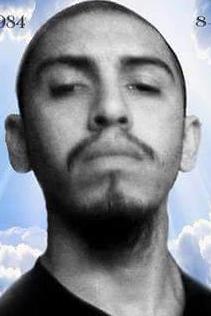
Omar Perdomo Jr., a 30-year-old Hispanic man originally from Glendale, California, was found fatally shot on August 8, 2015, on Milwaukee’s south side in Wisconsin. The shooting occurred in the 1800 block of West Grant Street, near South 18th Street, in a residential neighborhood. His unexpected death left behind two children and became the focus of a homicide investigation after authorities discovered that the circumstances surrounding the shooting were not what they had initially appeared
to be.
When Milwaukee police first responded to the shooting, investigators believed Perdomo had died by suicide. The early assessment suggested that his fatal gunshot wound might have been self-inflicted, and authorities initially approached the investigation from that perspective. However, as detectives continued examining the circumstances surrounding his death, additional evidence emerged that challenged the original explanation. What had first appeared to be a suicide began developing into a potential murder investigation.
On August 11, 2015, three days after Perdomo's death, the Milwaukee Police Department publicly announced that the case was being investigated as a homicide. Investigators had determined that the available evidence warranted treating the shooting as a criminal act rather than a self-inflicted death. The announcement represented a significant change in the direction of the investigation, raising questions about what had actually happened during the final hours of Perdomo's life. Police did not publicly explain the specific evidence responsible for changing the investigation's classification, leaving important details about the shooting undisclosed.
As detectives pursued the homicide investigation, Milwaukee police confirmed that two individuals had been taken into custody in connection with Perdomo's death. The individuals were identified only as a 31-year-old woman and a 25-year-old man, both residents of Milwaukee. Their names were not released in the initial reports, and authorities did not disclose their relationships to Perdomo or explain what evidence had connected them to the investigation. Police also did not publicly establish whether either individual had been present when the fatal shooting occurred.
The detention of the two individuals suggested that investigators were actively pursuing information concerning the circumstances of Perdomo's death. However, being taken into custody did not establish their responsibility for the homicide. Authorities did not publicly identify either person as the killer, and the available reporting did not explain whether the individuals were subsequently released or remained under investigation. Details concerning a possible motive, the events preceding the shooting, and whether Perdomo knew the individuals taken into custody were not disclosed.
The investigation continued following the August 11 announcement, but subsequent publicly available information about the case remained limited. A June 2017 review of Milwaukee's 2015 firearm homicides reported that no suspects had been criminally charged in connection with Perdomo's killing, despite the earlier announcement that two people had been taken into custody. No verified subsequent homicide charges, court proceedings, trial verdicts, or convictions were identified in the available reporting.
Perdomo's death remains notable because of the substantial change in its initial investigative classification. What authorities first believed was a suicide was subsequently treated as a homicide, demonstrating how the continued examination of evidence changed the understanding of his death. Although police acknowledged that two individuals had been detained during the investigation, the publicly documented record does not establish who fired the fatal shot or why Perdomo was killed. For his surviving children and loved ones, the unresolved questions surrounding the August 2015 shooting remain an important part of the circumstances of his death.