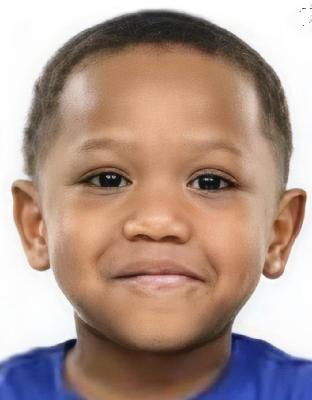
On the evening of December 18, 2015, Joshua R. Words, an 18-year-old African American male, was fatally shot near North 20th Street and West Highland Avenue in Milwaukee, Wisconsin. The shooting occurred shortly before 8:00 p.m., near the 1100 block of North 20th Street, just blocks from a neighborhood community center where Joshua had spent considerable time growing up.
What should have been an ordinary Friday evening with friends ended in a violent encounter that devastated his family and left investigators searching for the person responsible.
Joshua had been staying at the nearby home of his older brother, Isaac Edwards. That evening, he planned to meet his friend, Bryell Zigler, at a neighborhood bus stop before returning to his brother's house to play video games. Unknown to Joshua, a suspicious vehicle had been parked near North 20th Street and West Highland Avenue for an extended period. Surveillance cameras later revealed that the vehicle had been sitting in the area for approximately one hour and 17 minutes before the shooting. During that time, the driver appeared to interact with the occupant of another vehicle, which subsequently drove away.
As Joshua approached the parked vehicle, its driver stepped outside and stood near the open driver's door. Investigators reviewing the surveillance recordings determined that a brief verbal exchange appeared to occur. Although a witness could see the individuals speaking because their breath was visible in the cold December air, the witness could not hear what was being said. Detectives later emphasized that Joshua did not appear to stop for a conversation and instead continued walking. His behavior suggested to investigators that he might not have known the individual who confronted him.
Moments later, gunfire erupted. Surveillance cameras captured flashes from the gunshots as Joshua and Zigler attempted to escape through a nearby alley. Zigler ran ahead while Joshua followed closely behind. During the attack, Joshua was struck by gunfire but continued running in an effort to escape. A witness heard him announce that he had been hit. Additional shots were fired as he fled, and he sustained further gunshot wounds. Zigler managed to reach Isaac Edwards' nearby home, desperately trying to alert him to what had happened.
Edwards called 911 and rushed outside to find his younger brother. He discovered Joshua lying in the alley, critically wounded. During the emergency call, Edwards could be heard pleading with Joshua to wake up. Despite his brother's desperate efforts, Joshua died from his injuries. The experience left Edwards with a devastating memory of finding his brother in his final moments. The tragedy was particularly painful because the brothers had already lost both of their parents and had relied heavily on one another for support.
Milwaukee police launched a homicide investigation, examining surveillance recordings from cameras positioned near the shooting scene. The footage provided investigators with important information about the suspected shooter's movements, the vehicle involved, and the sequence of events preceding the attack. However, the recordings did not provide a sufficiently clear identification of the individual responsible. Investigators also examined the extended period during which the suspicious vehicle remained parked before Joshua approached. Milwaukee Police Cold Case Detectives Nathan Butz and James Hutchinson later expressed concern that the lengthy wait could indicate the individual had been anticipating an encounter, although investigators had not publicly established whether Joshua was deliberately targeted.
As the investigation continued, detectives faced significant difficulties identifying the gunman and establishing a motive. The brief encounter between Joshua and the unidentified individual raised questions about whether the two knew one another and what prompted the shooting. Investigators acknowledged that the surveillance evidence showed the suspected vehicle and provided a distant description, but it had not produced the breakthrough necessary to identify the person responsible. No publicly confirmed motive, suspect identity, or explanation for the attack emerged from the available reporting.
Joshua's death deeply affected Milwaukee's Neighborhood House, a community organization where he had participated in youth programs, volunteered, and eventually worked. He was remembered as an active young person who enjoyed basketball, music, and spending time with friends. Neighborhood House Executive Director Jeff Martinka recalled an especially meaningful encounter with Joshua just three days before his death. While playing basketball, Joshua had stopped to approach Martinka and wish him happy holidays. Martinka later described the unexpected gesture as a lasting memory of someone who had made a genuine impression on the people around him.
In March 2016, Neighborhood House held its annual youth summit addressing gun violence, and Joshua's memory became part of the gathering. A memorial collage honoring him was displayed as young people and community members discussed the consequences of shootings and the importance of preventing further violence. His death was among the tragedies that reinforced the organization's commitment to providing young people with safer environments, positive opportunities, and meaningful community support.
Nearly four years after the killing, in December 2019, Milwaukee police renewed public attention to the case by releasing surveillance footage and discussing the evidence with local media. Detectives hoped the recordings would encourage someone to recognize the vehicle or provide information about the shooter. Isaac Edwards also participated in the public appeal, returning to the neighborhood where his brother had been killed. By then, Edwards had moved to California to pursue a music career, something Joshua himself had dreamed of doing. Edwards described his work in music as a way to cope with the loss and continue pursuing the ambitions his younger brother never had the opportunity to fulfill.
Despite the renewed publicity and the existence of surveillance evidence, the murder remained unsolved when investigators discussed it publicly in December 2019. No subsequent credible public reports were located identifying an arrested suspect, criminal charges, a trial, or a conviction specifically connected to Joshua's death. The identity of the gunman and the motive behind the shooting therefore remain publicly unresolved. Milwaukee police encouraged anyone with information to contact the department's Cold Case Unit at 414-935-7360.
For Joshua's family and friends, the unanswered questions have remained an enduring part of the tragedy. His brother has continued honoring his memory through music, while those who knew Joshua at Neighborhood House remember his involvement in the community and the promise of a life cut short. What began as a simple plan to spend an evening playing video games became a homicide investigation that has continued without a publicly documented resolution.