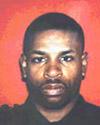
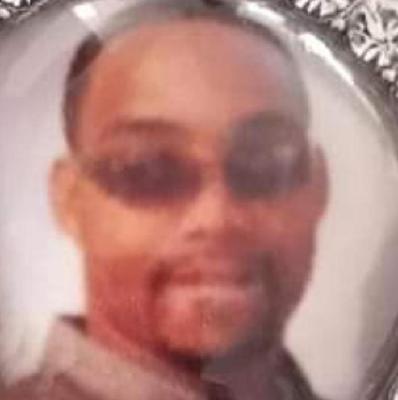
Reginald Thomas Brown, a 36-year-old White/Caucasian man, was the victim of an unsolved double homicide in Milwaukee in 2016. Although the information provided lists September 13 as his date of death, Milwaukee homicide records and later police reporting identify Reginald “Reggie” Brown as the 36-year-old man killed alongside his girlfriend, Roberta Newman, during the early morning hours of December 8, 2016.
The Milwaukee Homicide Review Commission included both Brown and Newman among the city's 2016 homicide victims.
Brown was spending the night at Newman's home near Appleton Avenue and Florist Avenue in Milwaukee. Newman had previously lived in Chicago and was living in Milwaukee with her two sons. Brown maintained a separate residence, but the couple was dating and he was at her home that night. Shortly before the killings, Brown spoke with his mother, Rosie Abner. He told her he was in bed and wanted to get some rest because he needed to work the following day. He reportedly told her that he would call her from work later. It was the last conversation she would have with her son.
At approximately 1:30 a.m. on December 8, the quiet inside Newman's home was shattered by a rapid barrage of gunfire. Newman's teenage son, who was in a neighboring bedroom, called 911 after hearing shots fired inside the house. While sheltering in his room, the teenager heard the shooting coming from the bedroom where Brown and Newman were sleeping. When he looked from his doorway after the gunfire, he saw what he described only as a single dark figure moving quickly past his room. He then heard the person go downstairs and leave the residence. Police later considered the observation significant because the witness saw only one apparent assailant leaving the home.
Responding Milwaukee police officers entered the residence and discovered Brown and Newman still lying in bed beneath the covers. Both had suffered numerous gunshot wounds and were dead at the scene. Investigators recovered 18 spent cartridge casings from the bedroom and surrounding upstairs area. Detectives said the number of shots and the locations of the wounds convinced them that the shooting was intentional rather than random. Investigators believed the killer had entered the home specifically intending to make certain that Brown and Newman died. There was also a possibility that neither victim even had an opportunity to react before the shooting began.
The physical evidence produced one of the investigation's most important leads. Examination of the cartridge casings showed that the ammunition was all of the same caliber, and ballistic testing subsequently connected the casings recovered from the Milwaukee murder scene to casings from an earlier shots-fired incident in Chicago. That connection drew investigators' attention toward Newman's previous ties to Chicago and raised the possibility that someone connected to her past had followed a dispute or grievance to Milwaukee. Police cautioned, however, that Brown himself could also have been the intended target and did not exclude that possibility.
Detectives interviewed people close to both victims and examined disputes that might have supplied a motive. Investigators publicly disclosed that they had learned of an ongoing dispute between Newman and the father of one of her children. Police described that man as a person of interest and said they were exploring the dispute as one possible avenue of the investigation. His name was not publicly released in the reporting, and authorities did not say that he had been charged with involvement in the killings. Detectives emphasized that other leads were also being pursued and that the person-of-interest designation did not establish responsibility for the murders.
Years after the shooting, Milwaukee cold-case detectives were still asking anyone with information about the killings to come forward. Brown's mother said the uncertainty surrounding what happened to her son remained especially painful because she did not know why the attack had been carried out or why it had been so violent. Available public reporting reviewed for the case does not identify an arrest, criminal charge, trial, or conviction for the murders of Brown and Newman. The case continued to be described as unsolved, with the unidentified gunman, the Chicago ballistic connection, and the possible personal dispute remaining central pieces of the investigation.