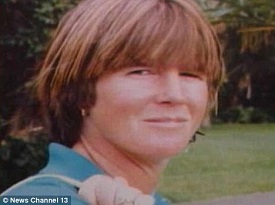
Cheryl Peters was found deceased in her home, a victim of a homicide In the late summer of 1993, the quiet town of Morristown, Vermont, was unsettled by the discovery of 42-year-old Cheryl Peters. A Caucasian female, she was found deceased in her home on September 2, 1993. The cause of death was determined to be a single gunshot wound to the head, indicating a violent end to her life. At the time of her death, she was a lab technician at Copley Hospital.
The investigation into her murder would span decades, leaving her family and the community searching for answers.
For 31 years, the case remained cold, a persistent shadow over the community. Though investigators had an immediate suspect in Cheryl's estranged husband, Carroll Peters, he was not charged for over three decades. During this time, Cheryl's five children held a strong belief that their stepfather was responsible for their mother's death. Their conviction led them to file a civil lawsuit against him in 1996 for wrongful death, as well as sexual assault and battery. The wrongful death claim was dismissed due to the statute of limitations, but a jury found Carroll Peters liable for assaulting his wife, awarding her estate a significant sum in damages.
The long-awaited breakthrough in the criminal case finally came in September 2024. A grand jury in Lamoille County indicted Carroll Peters, then 70 years old, for the first-degree murder of his estranged wife. His arrest brought a sense of impending closure to a case that had haunted the town for so long. Peters pleaded not guilty to the charge and was held without bail. However, before he could stand trial and a final verdict could be rendered, Carroll Peters died in February 2025 at the age of 71. His death closed the final chapter of a legal saga that spanned over three decades, leaving the ultimate question of his guilt or innocence in the criminal case to be debated in perpetuity.