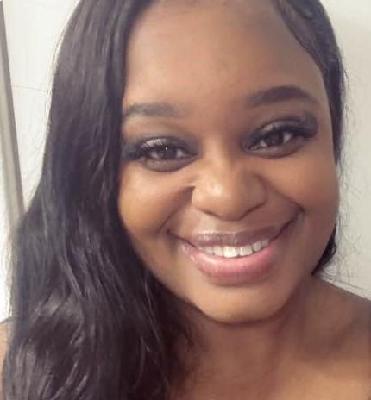
On the evening of July 14, 2016, Marissa De’Sha White, a vibrant 27-year-old African American woman, lost her life in a senseless act of violence that left her family, friends, and community in mourning. What should have been an ordinary evening turned into an unimaginable nightmare as Marissa was gunned down in the parking lot of the Crofton Place Apartments in Houston, Texas.
The young woman, full of life and dreams yet to be fulfilled, was taken far too soon, leaving a void in the hearts of those who loved her.
Marissa, a woman with hopes and aspirations, was simply in the wrong place at the wrong time. The tragedy unfolded in an apartment complex that had already seen its share of violence, raising concerns about safety and security in the area. That fateful night, emergency responders were called to the scene following a report of a break-in and a shooting. Upon arrival, authorities found Marissa lying in the parking lot, a gunshot wound to her head cutting her life short in an instant. The scene was chaotic, filled with the flashing lights of police cruisers and the heart-wrenching cries of loved ones as they tried to process the devastating loss.
The shock of her death reverberated throughout the community, particularly for those who knew Marissa as a warm, caring individual with a bright spirit. A daughter, a friend, and possibly a sister or a mother, she was more than just a victim—she was a person whose life mattered. Her future was stolen in a moment of cruel violence, and the echoes of that gunshot would leave scars on her family that would never fully heal.
As the days turned into weeks and then years, questions lingered. Who was responsible for the murder of Marissa White? What circumstances led to her being targeted? Were there security failures at the complex that enabled this tragedy to occur? Residents and concerned citizens speculated, hoping for answers, for justice, for closure. The fact that no arrests have been made, no suspects publicly named, and no resolution brought to Marissa’s case only deepens the wounds left behind by her loss. The silence surrounding her death is deafening.
The tragedy of Marissa White’s death is not just about statistics or crime reports—it’s about the life of a 27-year-old African American woman who had dreams, laughter, and love to give. She deserved more than to be a victim of violence. She deserved to live a long, fulfilling life surrounded by those who cherished her. But instead, her name joins the long, heartbreaking list of individuals whose murders remain unsolved, leaving loved ones in an endless cycle of grief and unanswered questions.
For those who knew Marissa, every anniversary of her passing serves as a painful reminder of the justice that has yet to be served. Her family is left to wonder if they will ever see accountability, if the person or persons responsible will ever face the consequences of their actions. Until that day comes, Marissa White's story remains one of loss, of sorrow, and of a desperate plea for justice that has, for far too long, gone unanswered.
Her family, her friends, and her community continue to seek answers. They continue to demand that her life not be forgotten, that her name not become just another cold case lost in the archives. Marissa De’Sha White was more than a victim—she was a beloved individual whose light was extinguished far too soon. And until justice is served, those who loved her will not stop fighting for the truth.