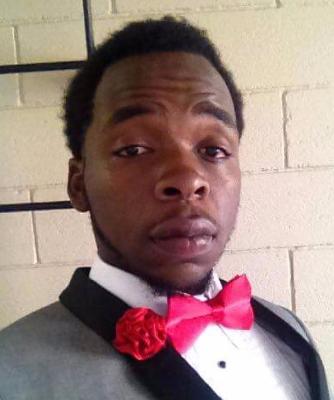
Jermias Perez was a 30-year-old Hispanic/Latino man from Memphis, Tennessee. In the wake of his death, what remains most striking is how little has been preserved in the public record: a name, a life cut short, and the sense that whatever happened unfolded quickly enough to leave far more questions than answers.
In cases like his, investigators typically build the story from fragments—who last saw the victim alive, what calls or messages came in during the final hours, where he was headed, and who might have known his routines well enough to find him. Detectives work backward from the scene, tracing witnesses who may have heard a disturbance, saw a vehicle linger too long, or noticed someone running when the night should have been quiet.
Publicly available sources do not identify any suspect or suspects in connection with Perez’s death, and no public reporting located here confirms an arrest, charges, a trial, or a conviction tied to his case. That silence can mean many things at once: that leads ran cold, that witnesses were scarce or fearful, that early information was inconsistent, or that the right detail never made it to the right person at the right time.
For families and friends, time can harden grief into something sharper—an ache for justice, yes, but also for clarity. The smallest facts become precious: a remembered argument, an unfamiliar face at a gathering, a rumor that once seemed too messy to matter. Investigators encourage anyone with firsthand knowledge—even something that feels minor—to share it, because cold cases are often broken open by a single overlooked connection that finally makes the larger picture come into focus.