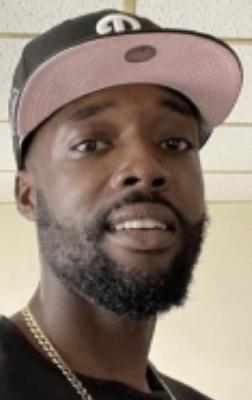
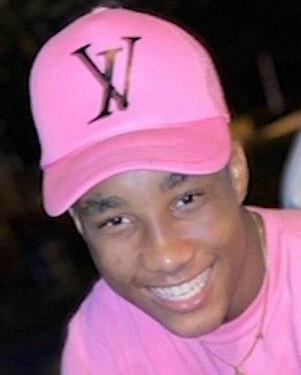
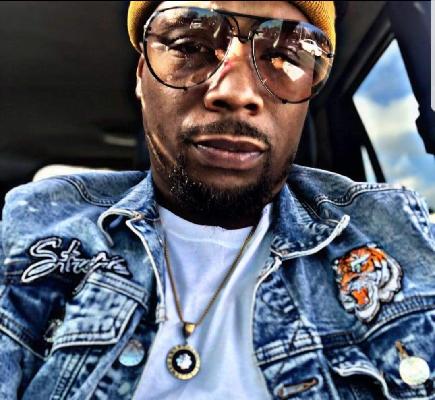
On Friday, July 20, 2012, the life of 24-year-old Khalil Wallace was tragically cut short in Philadelphia, Pennsylvania. His death was the result of a homicide, a violent end to a young life that left a family grieving and a community searching for answers. The specific circumstances surrounding his death have not been publicly detailed by authorities, leaving many questions unanswered more than a decade later.
Details about Khalil's personal life, his family, his work, or his passions are not widely known. Loved ones of homicide victims often remember them for their unique personalities, their laughter, and the positive impact they had on those around them. Without public tributes or an obituary, a full picture of the man Khalil was and the future he was building remains incomplete. He was a young Black man living in a city that, like many large urban centers, was grappling with the persistent issue of violence.
The incident occurred in a year when Philadelphia recorded a significant number of homicides. The city's police department and its homicide detectives are tasked with investigating these violent crimes, a process that involves meticulously gathering evidence, interviewing potential witnesses, and pursuing leads. For detectives, each case represents a life lost and a family shattered. The investigation into who killed Khalil Wallace would have been handled by the Philadelphia Police Department's Homicide Unit, a dedicated group of investigators responsible for solving the city's most violent crimes.
The critical hours and days after a homicide are often the most crucial for an investigation. Detectives would have canvassed the area where Khalil was found, searching for physical evidence, surveillance footage from nearby homes or businesses, and anyone who might have seen or heard something, no matter how insignificant it might have seemed. They would have spoken with Khalil's family and friends to understand his life and relationships, hoping to uncover a motive or identify any potential conflicts that could have led to his death. Despite these efforts, the case has faded from public view, with no announced arrests or identified suspects.
For the families of unsolved homicide victims, the passage of time does not heal the wound of their loss; it only deepens the mystery. They are left to navigate a world without their loved one, all while the person or people responsible for the crime remain free. The silence surrounding a cold case can be deafening, a constant and painful reminder of the justice that has not yet been served. These families often become the staunchest advocates, determined to keep the memory of their loved one alive and to continue pushing for a resolution.
As of today, the homicide of Khalil Wallace remains an open and unsolved case within the Philadelphia Police Department. The lack of public information underscores the challenges that law enforcement can face in bringing such cases to a close. Without new leads or witnesses coming forward, these investigations can stall, leaving families in a state of perpetual uncertainty. The hope for a breakthrough rests on the possibility that someone, somewhere, holds the key piece of information that could finally bring justice for Khalil and provide a measure of peace for those who continue to mourn him.