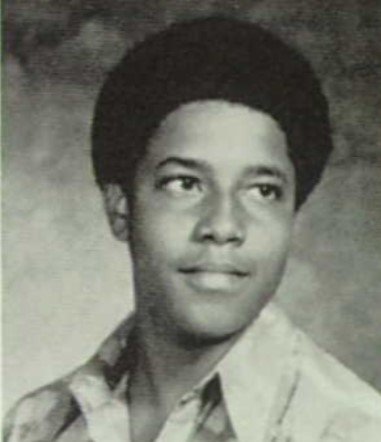
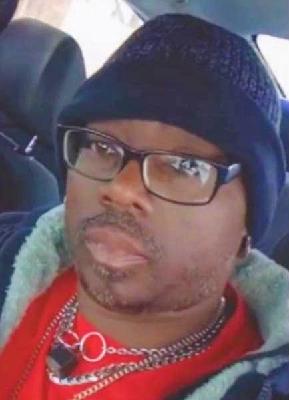
Do you know who murdered Marcus? Marcus Dewayne Bruner was a 29-year-old African-American man from Tulsa, Oklahoma, spending the first hours of New Year's Day 1993 in a north Tulsa neighborhood. In the quiet of the early morning, at about 3:15 a.m., he stepped out of a residence at 5117 North Kenosha Avenue and walked into the cold January darkness, heading toward his truck. The neighborhood was mostly still, the celebrations of the night before giving way to an uneasy calm as he left the house and moved down the street.
A short time after Marcus walked outside, the quiet was shattered by the sound of gunfire. Neighbors heard numerous shots ring out in the darkness, sudden and clustered, with no warning and no clear sign of what had sparked the violence. When the shooting stopped and people ventured out, Marcus was found lying in the street near 5100 North Kenosha, close to his truck and not far from the house he had just left. He had been shot multiple times, his body discovered in the roadway where the brief burst of gunfire had ended his life almost as soon as it began.
Responding officers and medical personnel arrived to find a scene that suggested a swift, targeted attack. Public records describe no prolonged confrontation or chase, only the grim aftermath of the shooting on that residential block. Marcus had suffered multiple gunshot wounds and was pronounced dead at the scene; there was no mention of any opportunity to save him, no ambulance rushing him to a hospital with a chance of survival. His death transformed the quiet north Tulsa street into a crime scene, marked off and studied, but yielding few answers that would endure in the official summaries of the case.
In the months and years that followed, investigators documented what they could: the time, the location, the path Marcus took from the residence to where he fell, and the fact that numerous gunshots were heard. Yet the public accounts of the case remain brief and stark, offering no clear motive, no explanation of why he was attacked, and no description of any identified assailant. The available summaries do not name any suspect or person of interest, nor do they reference any charges brought in connection with his killing. Official listings and cold case registries consistently present his homicide as unsolved, a file still open but without public indication of a breakthrough or arrest.
Decades later, Marcus's death is still treated as an active cold case rather than a closed chapter. Law enforcement and advocacy groups continue to highlight his story, urging anyone with information to come forward in hopes of filling in the many gaps left by that short, violent episode on New Year's morning. The record that remains is haunting in its simplicity: a man stepping out of a home in the early hours, a sudden volley of gunfire, a body found in the street beside his truck, and a family and community left without answers as his killer or killers have never been publicly identified or brought to justice.