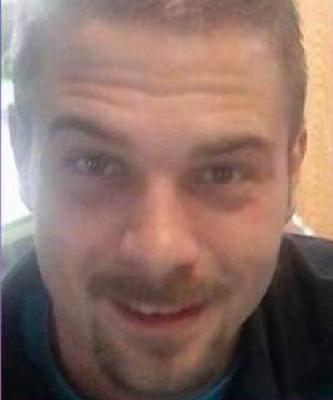
On January 25, 2007, 25-year-old Timothy Dewayne Wagoner, a Caucasian / White male from Oklahoma City, Oklahoma, was spending time with his friend, Charles Zell Taylor IV, at a residence on North Hassett Road when what began as an ordinary evening around firearms ended in a single, fatal blast. According to later case summaries, the two men were handling shotguns inside the home at 10317 N Hassett Road when one of the weapons discharged and struck Timothy, turning a familiar setting into a
sudden crime scene.
When law enforcement officers arrived, they found that the young man's life had already been cut short by the gunshot wound. His death was recorded that same day and classified as a violent, firearm-related incident, described in later records as a “death by force,” underscoring that this was not a natural or self-inflicted loss, but the result of another person's actions with a deadly weapon. Public case listings would later fix the date he was both found and pronounced dead as January 25, 2007, anchoring the tragedy to that winter day in Oklahoma City.
In the days that followed, investigators focused on Taylor, the friend who had been with Timothy when the shot was fired. Case documentation notes that the two had been handling shotguns together at the time of the incident, and local newspaper coverage—later indexed by case-tracking sites—described how authorities treated the shooting as a criminal matter rather than a mere accident, referring to it as a “friend's death” for which one man would ultimately be held responsible. From that point on, the narrative in public records is clear: Taylor was no longer just the surviving friend at the scene, but the man at the center of a homicide investigation.
By early 2008, that investigation had moved fully into the courts. Oklahoma's Violent Offender Registry shows that in Oklahoma County case number 2007-1401, Charles Zell Taylor IV was convicted on January 7, 2008, of first-degree manslaughter, with Oklahoma City listed as the city of conviction. Under Oklahoma law, first-degree manslaughter is reserved for unlawful killings carried out without a premeditated design to cause death, but under circumstances that make the act criminal—such as using a dangerous weapon in a way that goes beyond what the law considers excusable or justifiable. Taylor's conviction placed him in the category of violent offenders, formally tying Timothy's death to a specific criminal judgment rather than leaving it as an unexplained or unresolved shooting.
The registry entry for Taylor shows that his original registration date as a violent offender was December 1, 2008, that his sentence was considered complete on January 6, 2016, and that he remains under registration requirements through January 5, 2026. These entries trace the long shadow of that single gunshot: years of supervision and formal classification for Taylor, and a permanent public record linking his name to Timothy's death. No other suspects appear in the publicly available materials; the narrative in official and secondary records consistently identifies Taylor as the person charged, convicted, and registered in connection with the killing.
For Timothy's family and friends, the story that emerges from these documents is stark and finite. A night with a trusted companion at a home on North Hassett Road ended in a fatal discharge of a shotgun, a police investigation, and the prosecution of that companion for first-degree manslaughter. The court's verdict and the years of registry that followed ensure that the state has marked someone as responsible, but the paperwork can only outline the bare facts. The human cost—the abrupt silence after the gun's report, the empty place he left behind—lingers far beyond the dates and case numbers that now define his death in the public record.