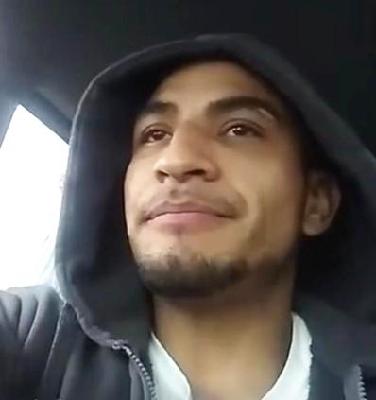
Markeese Ervin was an 18-year-old African-American male from Oklahoma City, Oklahoma, whose life ended violently on July 22, 2007, in a killing officially categorized as a “death by force.” Public records compiled by homicide-tracking sites and genealogy databases agree on the basic facts: he was born on May 19, 1989, and by the summer of 2007 his name would be recorded among the dead in his hometown, his case marked as a homicide rather than an accident or self-inflicted death.
The few traces of his life that remain online are quiet and restrained. On a memorial-style genealogy page, his dates are laid out with stark simplicity, accompanied by an invitation for family, friends, or anyone who remembers him to share memories, photos, or stories. There are prompts for people to talk about his early life, family history, and personality, but those sections remain largely empty, emphasizing how abruptly his story was cut short and how much about his day-to-day life has gone unrecorded in the public sphere. Even in death, the digital record presents him more as an absence to be filled in by loved ones than as a fully documented figure.
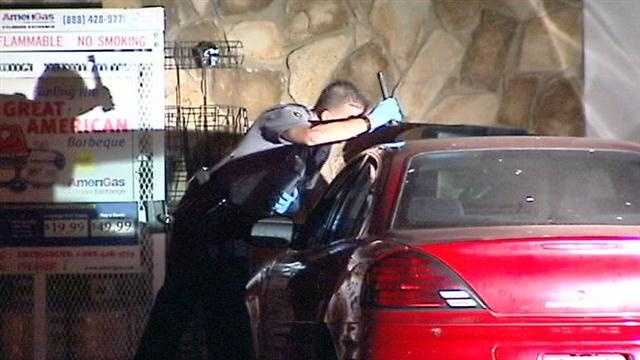
The account of what happened to him focuses less on the exact circumstances of the violence and more on what came after. Homicide-tracking advocates describe him simply as a young man killed in Oklahoma City on July 22, 2007, noting that his death is part of a large group of unsolved homicides in Oklahoma. His case is listed among more than a thousand unsolved killings across the state, a growing archive of people whose deaths have not led to clear answers. The description stresses the obstacles that often confront investigators in cases like his: crucial physical evidence is missing or has degraded, and witnesses are either absent, unwilling to come forward, or unable to provide enough detail to identify whoever was responsible.
Over the years that followed, his file remained open. Public summaries consistently describe his killing as unsolved and make no mention of a named suspect. There is no indication in available records that anyone has been arrested or charged for his death; instead, his name appears in broader databases compiled by journalists and researchers examining homicides of Black victims that did not result in an arrest. One such national investigation, which gathered roughly 26,000 killings in major American cities where police never made an arrest, highlights that nearly three-quarters of those victims were Black, situating his case within a wider pattern of violence that too often goes unpunished.
Today, the online traces of Markeese Ervin form a kind of fragmented memorial: a homicide listing that names him as a victim of “death by force,” a genealogical page preserving his birth and death dates, and a place in national datasets that track murders left without arrests. Together they sketch a story of a life that ended suddenly and violently, and of an investigation that never reached the point of identifying, charging, or bringing anyone to trial. For his family and community, the lingering presence of his name in these records stands as both a reminder of loss and a quiet, continuing appeal for information—an unresolved chapter in Oklahoma City's history that, according to the public record, still awaits justice.