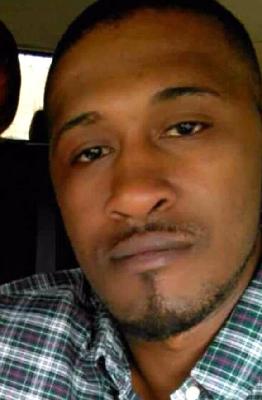
The morning of September 15, 2008 began like any other at Jimmy’s Round-Up Café, the 24-hour diner on Southwest 59th Street in south Oklahoma City, where the smell of coffee and frying bacon usually carried the night shift into the day. Alfredo Chavez, a 29-year-old Hispanic/Latino male who worked in the kitchen, had come in for another shift, moving between the back and the doorway as a handful of customers settled into their booths and the small staff prepared for the first true rush of
the day.
Just after 6:30 a.m., the quiet was broken when two men walked in with a purpose that everyone inside immediately sensed was wrong. They did not look around for a table or glance at the menu; instead, they headed straight into the café and, according to witnesses, made it clear that this was no random robbery. One of the first things they did was order the manager and at least two customers to the floor, forcing them down while ignoring the cash register and the rest of the room. Their attention was fixed on Chavez. They moved him toward the doorway, taking from him a small duffle bag that several witnesses later recalled, a detail that stood out because nothing else in the restaurant seemed to interest them. Moments later, near that same doorway where he had been working just minutes before, one of the gunmen shot him in the head, leaving staff and customers frozen in shock as the two assailants fled back out into the morning.
In the hours that followed, the normally busy café fell silent behind crime-scene tape. Police and detectives moved through the building, talking to shaken employees and customers who had been forced to lie on the floor, trying to reconstruct the seconds between the gunmen’s entrance and their escape. The restaurant’s owner, Jimmy Collins, spoke of how unusual the violence was for a place that had operated around the clock for years without anything like this, saying that in all his time there they had never had a problem of this kind. He described Chavez not just as a worker in the kitchen but as someone who had been with the restaurant for years, part of the small family that kept the doors swinging open for regulars day after day. According to the manager, who also spoke to reporters, Chavez had been involved in dealing drugs on the side and was trying to save enough money to relocate to Mexico by the end of the year, but she emphasized that he had never caused trouble at work and that whatever he was doing away from the café had never spilled over into his job. In the aftermath, Collins chose to reopen the restaurant the very next morning, arranging for counseling help from his church for employees who were struggling to process having witnessed a co-worker killed in front of them.
For investigators, the picture that emerged was of a highly targeted killing. Witness accounts suggested that the gunmen came for Chavez specifically, directing everyone else to the ground, taking his duffle bag, and ignoring the usual goals of a robbery such as the till or customers’ wallets. Police publicly described their search for two unidentified gunmen and appealed to the public for tips, directing anyone with information to call Oklahoma City Crime Stoppers, while detectives tried to piece together a motive from the fragments left behind—rumors about drug dealing, the missing bag, and the careful way the assailants had focused only on their intended victim.
In later years, a homicide case listing for Chavez recorded his death as a solved killing, confirming his identity, age, and the date and place of his death and noting that the investigation was no longer considered open. Yet those same public summaries do not name the suspects, describe specific arrests, or detail how the case was ultimately brought to resolution. From the outside, the story remains split in two: on one side, a clear picture of that early-morning ambush in a familiar neighborhood café, and on the other, a quiet line in a database indicating that, at some point after the gunmen walked out of Jimmy’s Round-Up Café, investigators were able to determine who was responsible, even if the particulars of those arrests and any later prosecutions have never been widely shared beyond law-enforcement files and courtroom records.