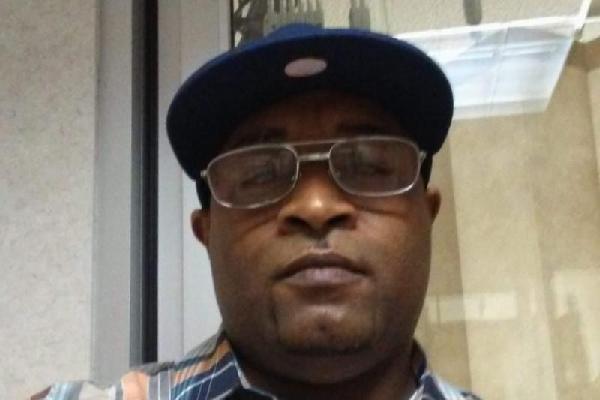
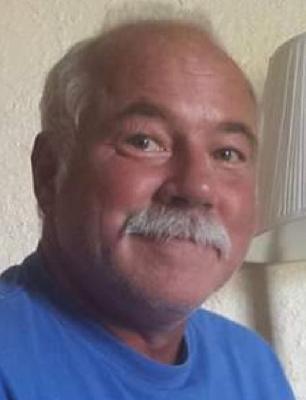
On June 21, 2009, 47-year-old Rueben Perez-Silva, lost his life inside a residence in Oklahoma City, Oklahoma. That Sunday, officers were dispatched to the home after reports of an altercation involving a firearm. When they arrived, they found Rueben critically wounded, having suffered multiple gunshot wounds. Despite any efforts that may have been made at the scene, he was pronounced dead there, his life ending abruptly in the space where he should have been safest.
Investigative summaries compiled years later describe the killing as a “death by force,” emphasizing that this was no accident or self-inflicted tragedy but a deliberate act of violence. The confrontation appears to have begun as a dispute that escalated, the tension rising to the point where someone produced a gun and pulled the trigger. In the quiet aftermath, with shell casings and blood as the primary evidence, detectives began the difficult work of reconstructing what had gone so catastrophically wrong in that Oklahoma City home.
According to later retellings of the case, investigators quickly focused on the possibility that the shooting grew out of a domestic dispute. Accounts note that the early stages of the investigation pointed toward at least one potential suspect, someone believed to have been directly involved in the argument that preceded the gunfire. Yet even with that lead, there was no immediate arrest. Police instead turned to the public, appealing for information from anyone who might have seen or heard something that morning, hoping that a neighbor, a friend, or a family acquaintance would step forward and help solidify the fragile threads of their case.
As the years passed, however, no public record emerged of a suspect being formally named or charged in connection with Rueben Perez-Silva’s killing. His case continues to appear in online homicide and cold-case databases as an open investigation, with only the barest factual outline preserved: his name, his age, the city where he died, the date the gunshots ended his life. These entries sit alongside hundreds of other unsolved killings in Oklahoma, stark reminders of families still waiting for answers. For Rueben’s loved ones, the lingering absence of an arrest or resolution means that the story of that June day in 2009 remains incomplete, the final chapter still unwritten while his case remains classified as an unsolved homicide.