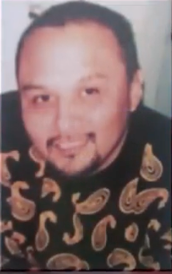
Richard Allen Burns Jr., a 32-year-old white male from Oklahoma City, Oklahoma, spent the final hours of his life in the quiet darkness of a late-summer night on Southwest 41st Street. In the early minutes after midnight on September 20, 2012, a 911 call reported a fight in the 1100 block of that street. When officers arrived around 12:30 a.m., they found Burns lying in the grass near his home, unconscious and brutally beaten.
One of the first officers on scene began CPR in an urgent attempt to pull him back from the edge while paramedics rushed in to take over. He was transported to a local hospital, where the injuries from the attack proved too severe, and he died not long after.
What followed was a homicide investigation that tried to piece together how a routine night had turned into a killing. Detectives traced Burns’s final movements and learned that, earlier that evening, he had told several people he was heading to the Red Dog Café to meet a man he knew only by a nickname, someone he believed could help him deal with a drug debt that was weighing heavily on him. The picture that emerged was of a man trying to negotiate his way out of trouble, walking into a meeting he thought might solve his problems and instead stepping straight into the path of the violence that would end his life. His death was ultimately counted among Oklahoma City’s growing homicide tally that year, a statistic that did little to capture the panic and grief that rippled through those who knew him.
As detectives dug deeper, an underworld of nicknames and whispered reputations came into focus. An informant told investigators that the man Burns was going to meet was known as “Big Irish,” a figure with a reputation for ties to the Irish mob. According to affidavits later described in local reporting, this informant said “Big Irish” had boasted he’d been hired by a Mexican drug dealer to rough Burns up over his unpaid debt. The same informant claimed there was another layer of motive: a prison associate known as “Cagle” allegedly believed Burns had been involved with his girlfriend and wanted him beaten for that, too. What began as a single brutal assault on a neighborhood street was slowly framed by investigators as the violent end result of debts, grudges, and gang-world loyalties converging on one man.
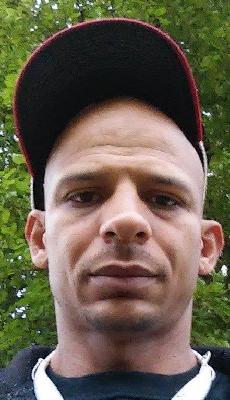
The trail led to 39-year-old Larry Eugene Tosh, a convicted felon with prior gun and drug cases who matched the “Big Irish” persona investigators had heard about. On October 17, 2012, Oklahoma County sheriff’s deputies working alongside the U.S. Marshals Service moved in on a home in the 3700 block of Geraldine Avenue in Oklahoma City and arrested Tosh. Prosecutors charged him with first-degree murder in Burns’s death, alleging that he had stomped and punched Burns during a vicious assault that left him fatally injured.
When the case reached court, the accusations and street rumors abruptly collided with the stark routine of a plea hearing. Facing the possibility of a life sentence, Tosh agreed to a deal: prosecutors would reduce the murder charge if he pleaded guilty to first-degree manslaughter. In exchange, he received a sentence of 15 years in prison followed by 15 years of probation for the killing, a punishment that acknowledged both the severity of the beating and the complexities of proving a premeditated murder in a world of informants, gangs, and drug debts. Public inmate records in Oklahoma show a man named Larry Tosh, with matching age and location, incarcerated in a state correctional facility, consistent with the long sentence imposed in the case.
In the end, the story of Richard Burns’s death is one of a late-night meeting that turned into a fatal ambush, of a neighborhood awakened by sirens, and of investigators following a trail through Oklahoma City’s criminal undercurrent until they found the man they believed responsible. The court’s final judgment fixed legal blame and placed Tosh behind bars, but for Burns’s family and friends, the case remains a deeply personal tragedy — a life cut short in a matter of minutes on a patch of grass outside a modest home on Southwest 41st Street.