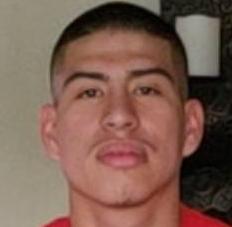
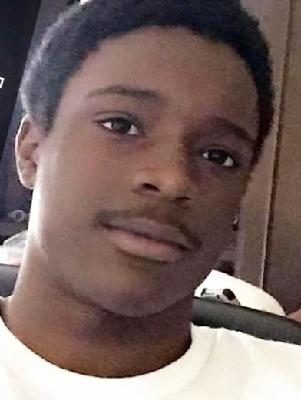
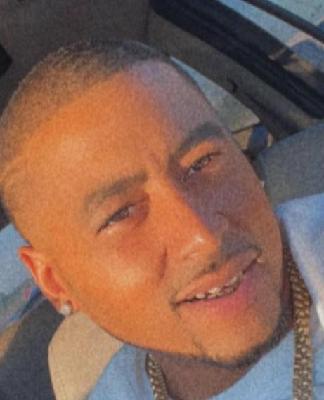
Orlando Jo’Shaun Smith, sometimes recorded as “Olando” in police and case databases, was a 21-year-old Black male from Oklahoma City whose life ended on a Sunday afternoon in mid-October 2012. He had been living in the northwest part of the city, not far from the Putnam Green Apartments, a sprawling complex tucked near the busy corridors of Wilshire Boulevard and the Northwest Expressway.
That ordinary fall day, October 14, 2012, became the moment his name joined the city’s grim tally of homicides for the year.
That afternoon, gunfire broke the usual sounds of apartment life around Knight Lake Drive and Lyrewood Lane, the streets that bend around Putnam Green. Police later said the killing at that intersection marked the 77th homicide in Oklahoma City in 2012, a statistic that only hinted at the chaos and fear that swept through the complex as shots rang out. When officers arrived, they found Orlando shot near the apartments; he was pronounced dead at the scene, his death recorded as a homicide by gunfire rather than the quiet evening his family might have expected for him.
In the days that followed, his family tried to make sense of what had happened and of the unease he had felt beforehand. Relatives later told case compilers that Orlando had confided worries about his own safety, as if he sensed trouble circling closer in the weeks before he died. His sister shared that he had told her he thought he was going to die, a haunting admission that would replay in her mind after the shooting, turning a sibling’s private fear into a bitter echo of what was to come.
Details of the shooting filtered out in fragments. Orlando’s sister said she had heard that a group of kids had gotten into a fight earlier, then left and later returned to the area with guns. According to what was relayed to her, they opened fire when they came back, and one of those bullets struck her brother. In the immediate aftermath, detectives searched local hospitals, believing there might have been a second person wounded during the same burst of violence, but no additional victim was ever located. The scene at Putnam Green thus resolved into a single fatality—one young man lying dead where he should have been safest, close to home.
For investigators, the case quickly became a plea for help from the community. Police released only limited information, emphasizing the location, the time of day, and the fact that Orlando had been shot to death outside the apartment complex, and they urged anyone with knowledge of the incident to call the homicide tip line. Years later, his name appears in online homicide and cold-case listings that focus on unsolved murders, and the case file remains posted with invitations for the public to submit corrections or new information, suggesting that authorities have never been able to move it from “unsolved” to “closed.” Publicly available records do not describe any arrests, nor do they identify any suspects by name in connection with Orlando’s killing; what remains on the record is the brief description of a fight, a return with guns, and a single young man left dead in the courtyard of an Oklahoma City apartment complex.
Today, Orlando Jo’Shaun Smith’s story survives mainly in these short, stark accounts: a young man who felt a shadow over his life, voiced his fear, and was then caught in an eruption of gunfire outside Putnam Green. His case has lingered for more than a decade in the public record as a reminder of violence that came without warning and, at least in what is known to the public, without justice.