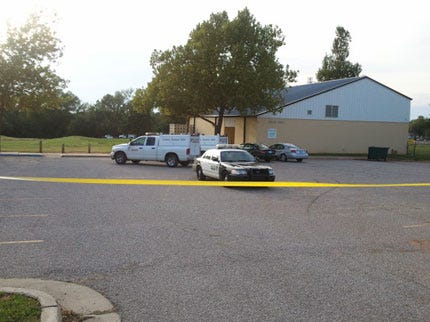
Antonio Chavez, a 44-year-old Hispanic male, was spending the evening of July 9, 2015, at the Checkers Truck Stop on East Reno Avenue in Oklahoma City, a busy spot where trucks and travelers moved in and out under the summer sky. He was a long-haul truck driver from Phoenix, Arizona, passing through the city as part of his work on the road. Sometime that night, his routine stop turned deadly. Around 9 p.m., police were dispatched to 1901 E.
Reno on what was first reported as an injury accident, because his truck was sitting partly up on a curb in the parking lot, an odd and worrying sight for those who saw it. When officers arrived and reached the cab, they found Chavez unresponsive, with injuries that were clearly not the result of a simple mishap.
Paramedics rushed him from the truck stop to OU Medical Center, but the wounds he had suffered were too severe. Doctors could not save him, and he was pronounced dead at the hospital. Investigators quickly determined that his injuries were consistent with a homicide; later summaries of the case would describe him as having been shot multiple times before he was found. The violence of the attack contrasted sharply with the public setting where it happened. Checkers Truck Stop was known to be crowded, and there were a number of people in the area that night, yet when detectives began asking questions, usable details about what had led up to the shooting were sparse. Witnesses, if they had seen or heard anything, were either reluctant to speak or simply unable to provide the kind of clear timeline and description detectives needed.
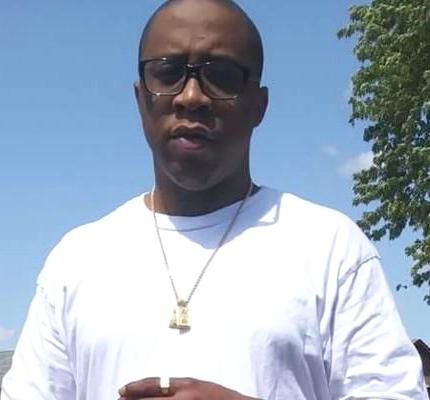
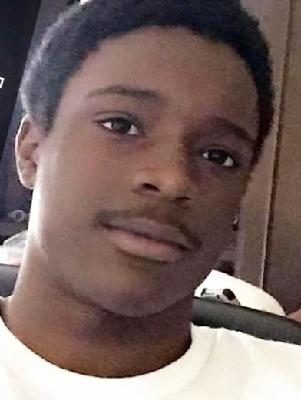
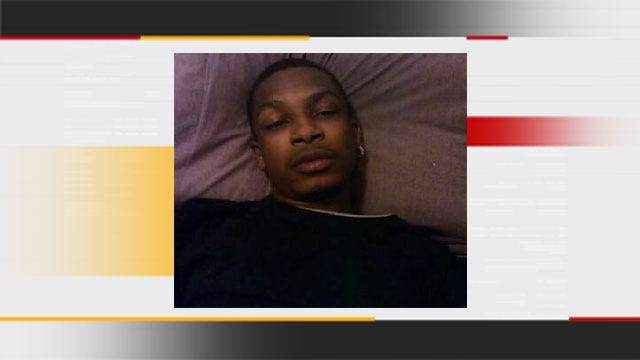
In the weeks that followed, Oklahoma City police treated the case as an open homicide investigation and combed through what evidence they had. Surveillance cameras at and around the truck stop captured activity from that evening, and investigators worked through the recordings, frame by frame, looking for anything that might explain who approached Chavez's truck and why. By early September, they had isolated images of a man seen in and around the area near the time of the killing. Detectives believed this individual might hold crucial information about what happened, even if he had not pulled the trigger himself. They emphasized publicly that he was not considered a suspect, but a person they urgently wanted to identify and interview, someone who might have seen or heard something that could point them toward the killer.
News outlets carried those images and the police appeals. Articles described how a memorial wreath still stood near the place where Chavez's truck had come to rest, a small reminder of the driver whose life had ended there as other rigs continued to roll through the same lot. Fellow truckers spoke of the dangers of life on the road, noting that drivers often carry cash and can become targets, especially in dimly lit lots where strangers move in and out without notice. Yet despite the release of the surveillance video and repeated requests for help from the public, no one came forward with information strong enough to identify the man in the footage or to directly link any individual to the shooting.
Years later, the case remained officially unsolved. Crime summaries and cold-case listings still describe how Chavez was shot at the Checkers Truck Stop that night, how he was found in his truck and taken to the hospital only to die from his wounds, and how investigators struggled from the beginning to gather reliable witness accounts. They note that police have not announced any arrests in connection with his death and continue to encourage anyone with information—about the mysterious man in the surveillance video or about the events of that July evening—to contact the homicide tip line. The story of Antonio Chavez, the truck driver whose final stop in Oklahoma City ended in gunfire and silence, is preserved in those brief case descriptions and appeals, waiting for the detail or witness that might someday reveal the name of the person who killed him.