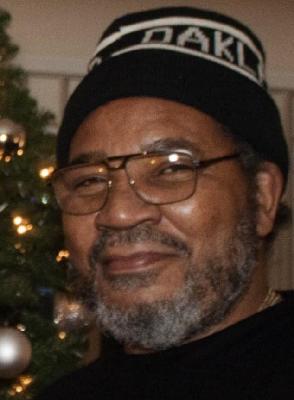
On February 17, 2008, Mikele Veion Labeau, age 38, was killed in Oakland, California. The homicide took place in an area of the city that had experienced significant violence over the years. Like many other murders in Oakland at the time, the killing of Labeau occurred within the 100 blocks in East and West Oakland that have consistently been the center of much of the city's violent crime. The region, plagued by gang activity and the illegal flow of firearms, has historically struggled with high homicide rates and has often been identified as a hotspot for violent incidents.
The environment in which Labeau's death occurred was one shaped by systemic challenges, including underfunded intervention programs and a fluctuating police presence. During this period, programs like Ceasefire, which aimed to reduce violence by focusing on high-risk individuals, faced funding interruptions and trust issues within the community. The challenges were exacerbated by conflicting policy priorities and local enforcement strategies, including gang injunctions that were seen as controversial among residents. These efforts to curb gang violence were often met with skepticism, contributing to an environment where cooperation between law enforcement and the community remained fragile.
Labeau’s death was part of a larger trend of violence that Oakland faced throughout the late 2000s. Despite various efforts and initiatives to tackle the problem, such as neighborhood safety plans and community summits, homicides in Oakland remained high, averaging about 100 per year during this time. The frustration among Oakland residents was palpable, as many felt that the city’s strategies were insufficient to deal with the recurring cycle of shootings and killings. The situation reflected the broader struggles of the community as it grappled with poverty, inadequate resources, and ongoing distrust between law enforcement and residents.