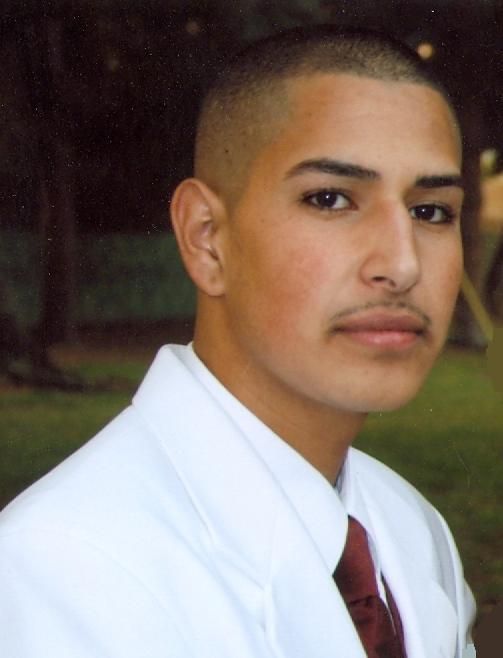
On August 7, 2008, 18-year-old Genaro Ochoa was shot and killed in Long Beach, California. The incident took place during a period when the city was grappling with gang violence and other organized criminal activities, which significantly impacted the community's safety. Ochoa's homicide remains one of the unsolved cases that has challenged law enforcement efforts in the area.
The Long Beach Police Department continues to face difficulties in solving such homicides, particularly due to a lack of witnesses and limited leads, which has left many families seeking justice without closure.
The crime rates in Long Beach during this time reflected a broader pattern seen across California, where the homicide rate saw a decline from previous years but still represented a significant threat. In 2008, California experienced a reduction in homicides, with the rate decreasing by 6.7% compared to 2007, indicating a modest improvement in public safety. Despite this decrease, incidents like Ochoa's death illustrated that violence remained a persistent issue, particularly in urban areas like Long Beach, where gang activity often contributed to deadly confrontations.
Law enforcement efforts to combat these violent trends included targeted operations and investigations into gang-related crimes. Over the years, the Long Beach Police Department has also revisited several unsolved homicide cases with the help of advanced forensic technologies, funded through federal grants. However, despite the use of modern DNA testing and other resources, many cases, including Ochoa's, remain cold, underlining the ongoing challenges faced by authorities in bringing perpetrators to justice and ensuring safety in their communities.