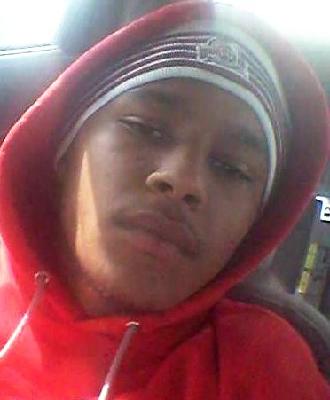
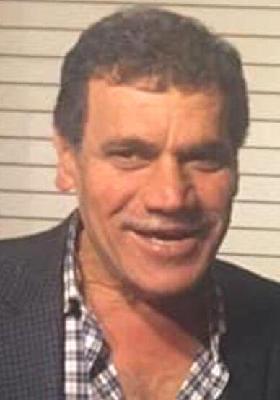
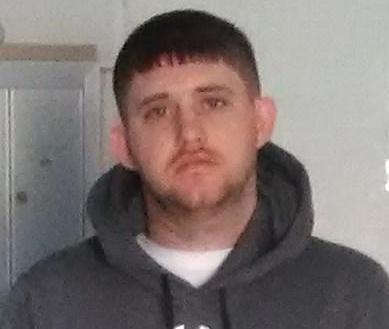
More than two decades have passed, but the questions surrounding the death of Timothy James on a Sunday in Columbus, Ohio, remain unanswered. A 33-year-old Caucasian man, Timothy was killed on September 8, 2002, in an act of violence that cut his life short and left a case that has since gone cold. The few details that have been made public paint a sudden and tragic picture of his final moments. On that late summer day, Timothy was driving his car somewhere in the city when he suffered a fatal gunshot wound. The specific location of the shooting, the time of day, and the events that led to this violent encounter have never been released by authorities, leaving his loved ones and the community with a painful and unresolved loss.
The investigation into the homicide was initially handled by the Columbus Division of Police. Detectives would have responded to the scene, searching for physical evidence, canvassing for potential witnesses, and trying to piece together a timeline of Timothy’s day. In any homicide investigation, the first hours and days are critical as investigators work to establish motives and identify potential suspects. However, in Timothy's case, viable leads failed to materialize, and the trail of evidence grew cold. No arrests were ever made, and no persons of interest were publicly identified. The silence in the public record suggests a case that was challenging from the very beginning, lacking the clear evidence or witness testimony needed to bring charges.
As the years passed without a breakthrough, Timothy James's case was eventually classified as an unsolved homicide, or cold case. It is now listed among the files of Ohio’s Bureau of Criminal Investigation (BCI), a division of the Ohio Attorney General’s Office. This designation means that while the case is no longer actively being worked by a dedicated team, it remains open. The BCI and the Attorney General's office publicize these cases in the hope that new attention may jog someone's memory or encourage a person with long-held information to finally come forward. Advances in forensic technology, particularly in DNA analysis, can sometimes provide new avenues for investigators to explore, even decades later. Evidence collected in 2002 could potentially yield new clues if re-examined with modern techniques.
The city of Columbus, the state capital of Ohio, is a sprawling metropolitan area with numerous neighborhoods. In 2002, like any major city, it faced its share of violent crime. However, each unsolved case represents a unique tragedy and a lingering source of pain for a family left without answers or closure. For investigators, these cases are never truly closed. The Columbus Police Department’s Homicide Case Review Unit is tasked with re-examining unsolved cases when new information arises, working in partnership with agencies like the BCI to pursue any potential new leads.
Without an arrest, the motive for Timothy’s murder remains unknown. Was it a random act of violence, a case of mistaken identity, or the result of a dispute? Who was the person who fired the shot, and where did they go? These are the questions that have haunted this case for over twenty years. His family has been left to navigate a world without him, burdened by the knowledge that the person responsible for his death has never been held accountable.
As of November 2026, the homicide of Timothy James is still officially unsolved. The Ohio Attorney General's office continues to list his case, a quiet but persistent reminder of a life taken and a crime unresolved. Law enforcement agencies rely on the public's help to solve these difficult cases. Even a seemingly small or insignificant detail could be the missing piece of the puzzle that allows investigators to finally bring justice to Timothy James and his family. Anyone with information is encouraged to contact the Columbus Police Department or the Ohio Bureau of Criminal Investigation.