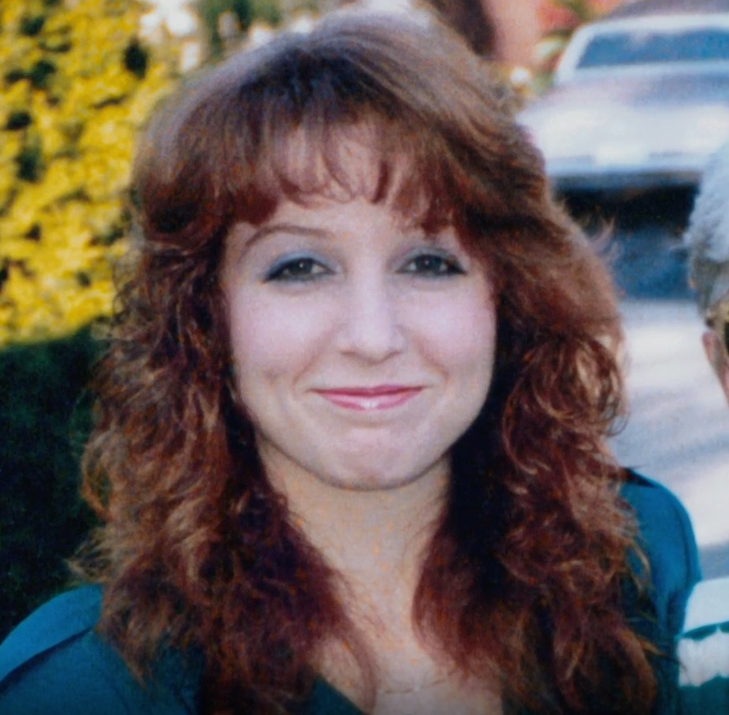
In the autumn of 1987, the life of 24-year-old Dorthea J. Presleigh was cut tragically short, leaving her family with unanswered questions that have lingered for decades. Her case is one of several unsolved homicides from that era in Washington's King County, a time when the region was already grappling with the shadow of the Green River Killer. Dorthea's death, however, remains a distinct and painful mystery of its own.
Little is publicly known about Dorthea's life, but her death left a permanent void. She was a young woman at the start of her adult life when she was violently killed. Loved ones were left to mourn a future that was stolen and to hope that justice would one day be served.
The timeline of Dorthea's final hours is brief and alarming. She was last seen on or around October 18, 1987, along the Sea-Tac strip, a stretch of Pacific Highway South known for its transient population and illicit activities.
What happened to her after she disappeared from that area remains unknown. The following day, on Monday, October 19, 1987, her body was discovered at Grandview Park in South King County. An autopsy later confirmed that Dorthea had died from multiple gunshot wounds.
The King County Sheriff's Office took charge of the homicide investigation. The location where she was found, Grandview Park, is a large off-leash dog park area near SeaTac, a place that should have been a sanctuary for recreation, not the scene of a brutal crime. Investigators worked the case, but leads were scarce. The area where Dorthea was last seen was known for being a difficult place to find reliable witnesses, and the forensic technology of the time was limited compared to modern standards.
In the years that followed, Dorthea's case grew cold. In November 1991, The Seattle Times published a list of forty unsolved homicides that had occurred in King, Snohomish, and Pierce counties since 1984, the year authorities believed the Green River Killer, Gary Ridgway, had ceased his activities. Dorthea Presleigh's name was on that list. Her murder was noted alongside many other women whose lives were taken in violent circumstances, their cases often sharing haunting similarities, such as connections to the Sea-Tac strip.
Despite the passage of time, the investigation into Dorthea Presleigh's murder is technically still open. As of the early 1990s, her death was officially classified as an unsolved homicide by the King County Sheriff's Office. Cold case detectives periodically review old files, hoping that a fresh look, a new witness coming forward, or advancements in DNA technology might provide the breakthrough needed to finally solve the crime. For now, there is no public information about any persons of interest or specific evidence that could lead to an arrest.
The memory of Dorthea J. Presleigh is preserved in the sparse official records and the lingering hope of those who knew her. Her case is a somber reminder of a violent period in King County's history and of a young woman whose killer has never been held accountable. Decades later, the questions of who was responsible for her death and why they took her life remain unanswered, waiting for a piece of information that could finally bring closure to a long-unsolved tragedy.