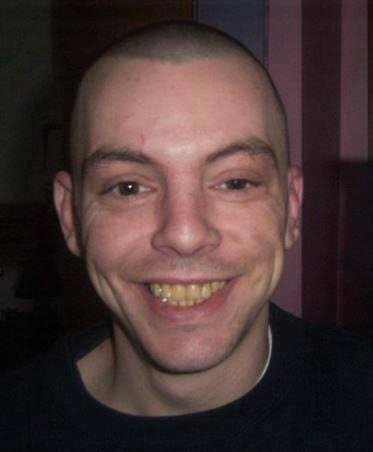
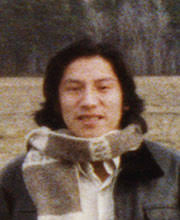
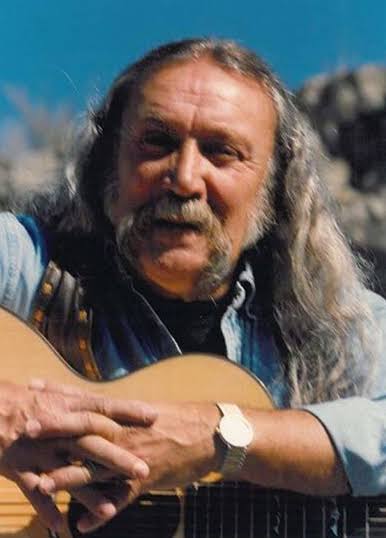
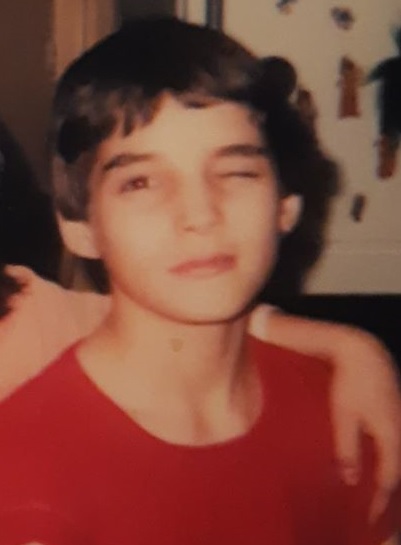
In the winter of 1975, Antonio Di Francesco was a young man of 24 living in the Ville-Émard neighbourhood of Montreal, a dense, working-class community in the city's southwest. What dreams or plans he may have had were violently extinguished in the cold of mid-December, leaving behind a mystery that has now spanned decades. His life and sudden death offer a stark glimpse into the brutal underworld that operated in the shadows of the city.
On the morning of Tuesday, December 16, 1975, the municipal police department in Delson, a community on Montreal's South Shore, received an anonymous phone call. The caller directed officers to a grim discovery on Sainte-Catherine Street in the neighbouring town of Saint-Constant. There, in a roadside ditch, police found the lifeless body of a young man. The victim, later identified as Antonio Di Francesco, showed clear signs of extreme violence.
The investigation quickly painted a picture of a calculated execution. A witness came forward to report unsettling activity from the previous night. This person had seen several individuals standing near a parked car in the exact area where Antonio’s body was later found. Shortly after observing the group, the witness heard the distinct sound of gunshots piercing the stillness of the night. The scene suggested that Antonio had been brought to this quiet, semi-rural location and killed.
As investigators from the Sûreté du Québec, the provincial police force, delved into Antonio’s background, they uncovered a life entangled with the city's criminal element. Police stated that the 24-year-old was actively involved in drug trafficking and was also known to be a loan shark. This information led detectives to a strong theory: Antonio’s murder was not a random act of violence but rather a deliberate "settlement of accounts" connected to organized crime.
The mid-1970s were a particularly turbulent time for the Montreal mafia. The powerful Cotroni crime family, which had dominated the city for decades, was in the midst of a violent internal war between its Calabrian and Sicilian factions. This bloody conflict for control of rackets, including drug trafficking and loan sharking, resulted in numerous murders. While police have not specified a direct link to any one faction, they remain confident that Antonio's killing was a product of this ruthless environment, a fatal consequence of the dangerous world he inhabited.
For nearly half a century, the murder of Antonio Di Francesco has remained unsolved. No arrests have ever been made, and the individuals who stood by a car on that cold December night have never been identified. The case is a stark reminder of the violent power struggles that once defined Montreal's underworld and the lives that were lost within it.
As of May 2026, Antonio's file remains open. The case is now in the hands of the Sûreté du Québec's Division of Unsolved Crimes and is considered an active cold case. Investigators believe that even after so many years, someone may hold the key to unlocking the truth of what happened on Sainte-Catherine Street. Police continue to ask for the public's help, hoping that a change in relationships or a guilty conscience might finally compel a witness to come forward.
Any information that could help advance the investigation can be shared with the Sûreté du Québec's Centrale de l’information criminelle at 1-800-659-4264.