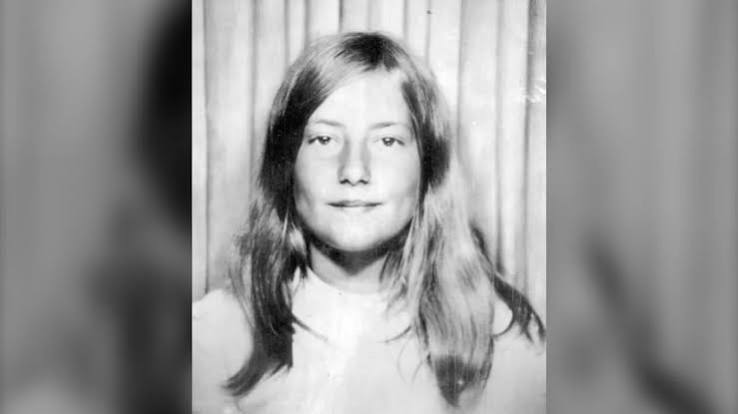
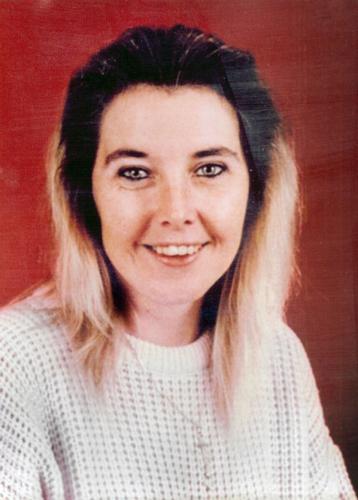
Helen Correen Gillings was a young Indigenous woman with long, dark hair and a petite build, a mother of two who was navigating a difficult life. Born in Kenora, Ontario, on August 25, 1975, she was adopted at age four, along with her younger sister, and raised in the small farming town of Sundre, Alberta. Those who knew her said she was bright and had a love for animals and drawing. Her life, however, was not easy. She ran away from home several times as a teenager and by 14 was living on the streets. At 16, she moved to Toronto and later settled in Hamilton, Ontario, in 1994. There, she and her partner had a daughter, and neighbors on Wilson Street remembered her as a pleasant young woman with big, dark eyes. But life's hardships wore on her, and she became involved in the sex trade to survive. On January 26, 1995, she gave birth to her second daughter, who was born prematurely and remained in the hospital. Helen was just 19 years old.
In the early morning hours of Thursday, February 16, 1995, Helen was at the Straw Hat Tavern, a bar she frequented at the corner of King Street East and Emerald Street North in Hamilton. Around 1:00 a.m., she was seen leaving the tavern and walking into a nearby alley with a man. It was the last time anyone saw her alive. The following day, at approximately 5:00 p.m. on Friday, February 17, her body was discovered in the alley behind 483 King Street East, not far from the tavern. She was found hidden beneath an overturned couch. An autopsy later determined that Helen Gillings had been strangled to death.
The Hamilton Police Service launched a homicide investigation. Through their work, investigators were able to identify the man with whom Helen was last seen entering the alley. However, this individual has never been publicly named, and no charges have been laid in connection with her murder. Police have stated they believe there are people in the community who hold information that could be critical to solving the case. Over the years, the investigation has remained open, becoming a cold case that continues to trouble both the community and law enforcement.
In the years since her death, Helen's memory has been kept alive by friends and community advocates. A friend who knew her during that difficult time, Wawaskones Kiwenzie Accra, remembers being with her at the bar the night she disappeared. Accra, who managed to escape a similar lifestyle a year after Helen's murder, has spoken at vigils for Missing and Murdered Indigenous Women and Girls, sharing Helen's story. The community has designated a streetlight near the alley where she was found as "Helen's light." It has become a site for annual vigils, where people gather to remember her and other Indigenous women who have been lost to violence.
In February 2024, the group Sisters in Spirit Hamilton, in collaboration with the city, installed a sign on the lamppost of Helen's light. The sign tells her story, ensuring that new residents and passersby learn about the young woman who lost her life there. The temporary sign, which reads in part, "Helen is loved. Helen is remembered. We honour her and her memory," is hoped to be replaced by a permanent one shaped like a red dress, a powerful symbol for missing and murdered Indigenous women. These acts of remembrance underscore a community's refusal to let Helen be forgotten.
As of February 2026, the murder of Helen Gillings remains unsolved. The Hamilton Police Service continues to review the case, with Staff Sgt. Dave Oleniuk once issuing a public message to the killer: "You are not safe. We will not stop." The Hamilton Police Services Board maintains a $10,000 reward for information that leads to the arrest and conviction of the person or persons responsible for her death. Anyone with information is urged to contact the Major Crime Unit at (905) 546-3801 or (905) 546-3829, or to leave an anonymous tip with Crime Stoppers at 1-800-222-TIPS (8477).