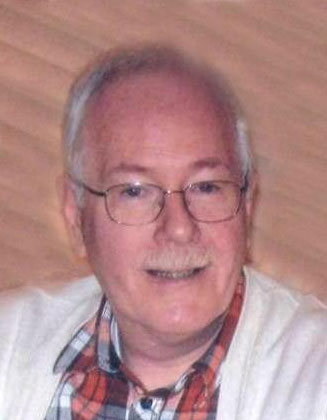
James Alexander Lyle, known to friends and family as “Sandy,” was a 55-year-old man from Dartmouth, Nova Scotia. In the years leading up to his death, he was known as a significant figure in the local cocaine trade and had documented associations with organized crime, though he was not a member of the Hells Angels. In 2001, he was one of 19 people arrested during "Operation Hammer," a major police raid on the Hells Angels clubhouse in Halifax that ultimately led to the dismantling of the local chapter. Lyle had served time in federal prison for two drug trafficking convictions. At the time of his death, he co-owned the Rodeo Lounge in Burnside Park and lived with his partner in a newly built home on Cannon Terrace in Dartmouth.
On the evening of Sunday, February 19, 2012, Sandy Lyle was last seen leaving the Rodeo Lounge.
Later that night, around 10:30 p.m., the Royal Canadian Mounted Police (RCMP) received a report of an unconscious person on the side of Montague Mines Road in the community of Montague Gold Mines, near Cole Harbour. When officers arrived, they discovered Lyle’s body on the shoulder of the remote, wooded road. He was pronounced dead at the scene.
An autopsy quickly confirmed that Lyle’s death was a homicide. He had died from a single gunshot wound to the back of the head in what was described as an "assassination-style" killing. The RCMP began an intensive investigation into the murder of the man they acknowledged had ties to organized crime. Investigators searched his Dartmouth home and seized a Honda truck as evidence. A firearm was also recovered during the investigation, although police did not publicly confirm where it was found or if it was the weapon used in the homicide.
The investigation, led by the RCMP, sought to piece together Lyle's final hours. Authorities appealed to the public for any information, asking for anyone who might have seen suspicious activity on either Montague Mines Road or near Lyle's home on Cannon Terrace to come forward. Investigators stated their belief that there are people who possess key information that could lead to an arrest and charges in the case. Despite the recovery of evidence and public appeals, the case grew cold.
Over the years, Lyle's murder has remained in the public eye through police efforts and media coverage. His case is featured on the Halifax Regional Police's list of major unsolved cases and is part of Nova Scotia's Rewards for Major Unsolved Crimes Program. Police have not publicly named any suspects or persons of interest in the years since the killing.
As of February 2026, the homicide of James Alexander "Sandy" Lyle remains an active and open investigation. The file is subject to ongoing review by cold case investigators who hope that new information or advances in forensic technology might finally provide a breakthrough. His violent death on a dark roadside remains a stark and unresolved chapter in the history of organized crime in the Halifax area.
The Government of the Province of Nova Scotia is offering a cash reward of up to $150,000 for information that leads to the arrest and conviction of the person or persons responsible for Sandy Lyle's murder. Anyone with information is urged to call the Rewards for Major Unsolved Crimes Program at 1-888-710-9090.