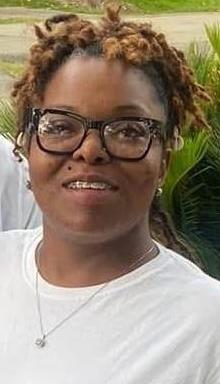
In the chaotic autumn of 2005, as Southwest Louisiana reeled from the successive blows of Hurricanes Katrina and Rita, 32-year-old Brandy Dyson was navigating a life upended. A Kinder native and mother of three, Brandy was remembered by her family as a loving person who battled mental health and addiction issues. Her sister, Miranda Brown, recalled a period of ten years when Brandy lived in New York City, seeking a life different from her small-town roots. She eventually returned to Louisiana and was living in an apartment in Kinder, but her life, like so many others, was thrown into disarray by the storms. After taking in evacuees from Hurricane Katrina, she lost her apartment and sought refuge at the Lake Charles Civic Center, which had been converted into a shelter.
The rules at the shelter were strict, and after Brandy was caught drinking, she was asked to leave. Displaced and vulnerable, she began living in a makeshift shelter on the piers near the lakefront. On October 27, 2005, she was arrested for disturbing the peace by public intoxication and was released shortly after. It was in this precarious existence, just a short distance from where she sought shelter, that her life came to a violent end. On the morning of November 5, 2005, people walking by the lake behind the Civic Center made a grim discovery: Brandy’s body was floating in the water. An autopsy later confirmed she had been the victim of a violent homicide, caused by manual strangulation. Her father, Adley Dyson, later shared the heartbreaking detail that the bruising on her neck was so severe they had to bury her in a turtleneck sweater.
The Lake Charles Police Department launched a homicide investigation, but the circumstances of the era presented immediate challenges. As Deputy Chief of Investigations Kevin Kirkum noted years later, in 2005 there was no surveillance video, no body cameras, and no cell phone data to aid their work. Despite these hurdles, investigators developed a person of interest. Three months after Brandy’s death, a man named Jeremias Ruiz Salazar was arrested in Tacoma, Washington. In January 2006, a Calcasieu Parish grand jury indicted him on a charge of second-degree murder. For Brandy’s family, it seemed like justice was within reach.
However, the hope was short-lived. In July 2007, the case against Salazar was dismissed. Then-Calcasieu Parish District Attorney John DeRosier explained that DNA evidence recovered from Brandy's body did not match Salazar, and the grand jury determined there was not enough evidence to proceed to trial. Salazar was freed from jail, and the investigation went cold, leaving Brandy’s family devastated and without answers. The tragedy for the family was compounded in 2008 when Hurricane Ike's floodwaters washed away Brandy's casket, forcing them to rebury her remains.
For years, Brandy’s family continued to advocate for her, keeping her memory alive. Her daughter, Holly Searcy, was only ten years old when her mother was killed. She later spoke of the enduring pain and her determination to find justice. "Talking about this every time, like, is re-traumatizing," Holly said. "And that is okay. I am okay with whatever has to happen. I just want justice for her. She deserves justice." Inspired by her aunt's long fight, Holly took up the cause, sharing her mother's story on podcasts and cold case websites.
More than two decades after Brandy’s death, a new sense of hope emerged. In February 2026, the Lake Charles Police Department announced it had revived the cold case. Investigators planned to re-examine the file and retest evidence using forensic technology that was unavailable in 2005. "It's leaps and bounds to where it was before," Deputy Chief Kirkum said of the advances in DNA testing, which can now be done with much smaller samples. As of February 2026, the investigation into the murder of Brandy Dyson is active once again, but her case remains unsolved. Police are re-interviewing witnesses and hoping that modern science can finally point toward the person responsible for her death. Anyone with information is asked to contact the Lake Charles Police Department.