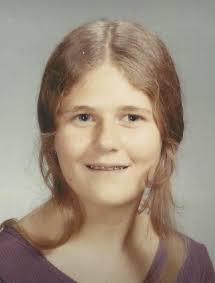
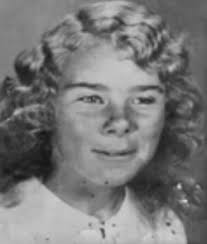
On a pleasant spring afternoon in Folly Beach, South Carolina, 14-year-old Sheri Jan Clark and her best friend, 13-year-old Alexis Ann Latimer, left for a walk on the beach and vanished. The date was May 23, 1973. Sheri, a quiet girl and a majorette, and Alexis, who played the piano and loved poetry, were good students with no reason to run away. Yet, when their families reported them missing, police initially dismissed their concerns, believing the girls had simply left home.
For more than two weeks, no formal investigation was launched, leaving the families to distribute leaflets and plead for information on their own.
The agonizing uncertainty for the Clark and Latimer families stretched on for nearly a year. The community was gripped by fear as other young women in the Charleston area were attacked or abducted, though some managed to survive. The break in the case finally came in April 1974, not from the investigation into the girls' disappearance, but from another woman who reported an assault from the previous September. Her report led police to Richard Raymond Valenti, a 31-year-old U.S. Navy sailor stationed at the Charleston Naval Shipyard.
Following his arrest on April 16, 1974, for assault, Valenti made a shocking confession. He admitted to killing Sheri and Alexis, and also confessed to the murder of 16-year-old Mary Earline Bunch, who had disappeared in February 1974. He then led investigators to the sand dunes on Folly Beach, not far from his home, and pointed out the shallow graves where he had buried all three teenagers. The girls' remains were identified through dental records and personal items found with them, including a necklace and a ring.
Valenti recounted the horrific details of the girls' final hours. He had kidnapped Sheri and Alexis at gunpoint on the beach and forced them into an abandoned outdoor shower stall beneath a house. There, he bound and gagged them before placing ropes around their necks, which he had tied to overhead water pipes. He made them stand on chairs, which he then kicked away, and watched as the two young friends died by hanging. His confession revealed him as "The Folly Beach Serial Killer," responsible for at least three murders and numerous other non-fatal attacks.
In June 1974, Richard Valenti was tried and convicted on two counts of murder for the deaths of Sheri Jan Clark and Alexis Ann Latimer. A prosecutor at the time described him as a "sexual deviant." He was sentenced to two consecutive life sentences. Due to the legal landscape at the time, capital punishment was not an option. Charges for the murder of Mary Earline Bunch and for the attacks on five other women were dropped after he received the life sentences.
Under the law in effect at the time of his sentencing, Valenti became eligible for parole after just ten years. This began a decades-long battle for the victims' families, who were forced to relive their trauma every two years at his parole hearings. Sheri's younger sister, Paula Clark Marion, became a fierce and dedicated advocate, taking over the fight her mother had started. She organized petition drives, collecting thousands of signatures, and spoke passionately at every hearing to oppose Valenti's release. "My sister wasn't able to jump out of her grave, so he shouldn't be allowed to walk out of prison," Marion stated.
Alexis Latimer's mother, Mary, also endured the recurring nightmare of the parole hearings. For decades, the families successfully fought to keep Valenti behind bars. He was denied parole 21 times over the course of his incarceration. The cycle of fear and advocacy for the families finally ended on December 16, 2020, when Richard Raymond Valenti died of natural causes while still in prison. Upon hearing of his death, Mary Latimer expressed immense relief, stating it was a release from the recurring trauma she had been forced to endure for nearly half a century.