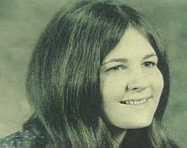
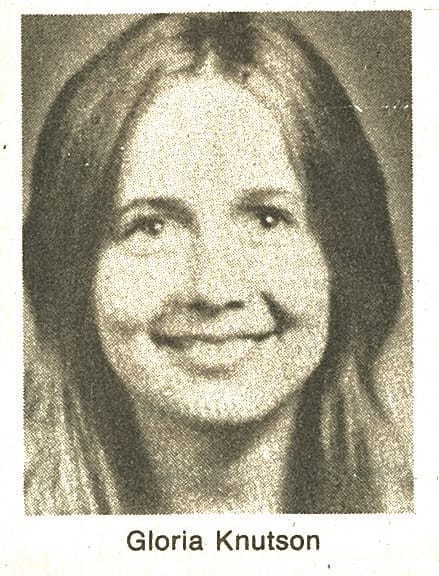
In the quiet community of Summit, Washington, Kathryn Coates, 72, was a housewife who lived a peaceful life. That peace was irrevocably shattered on the afternoon of June 13, 2001, in what should have been the safest of places—her own home. While her husband was out running an errand, an intruder entered their property. In a brutal and senseless act of violence, Kathryn was attacked and bludgeoned to death in her backyard.
When her husband returned, he made the devastating discovery of his wife's body. The scene suggested a burglary that had gone horribly wrong, leaving a family and a community in shock and mourning.
The initial investigation into the female victim's death left Pierce County sheriff's deputies with few leads. There were witness reports of a stranger seen wandering in the neighborhood around the time of the attack, which led to the creation of a composite sketch. However, with little else to go on, the case for justice for Kathryn seemed to be at a standstill. The terrifying randomness of the crime sent a wave of fear through the ordinarily tranquil area, as residents grappled with the reality that such violence could strike so close to home.
Just two weeks later, the community's fears were amplified when another woman, 48-year-old Rebecca Nash, was found murdered in her Tacoma apartment on June 27. The similarities between the two killings, both appearing to be connected to burglaries, created a sense of urgency and dread throughout Pierce County. Investigators worked tirelessly to find a connection and hunt down the person responsible for the escalating violence that had so suddenly plagued their community.
A critical breakthrough came when a relative of a man named Timothy Ray Burkhart, also known as Kim Burkhard, saw the composite sketch released by police and contacted Crime Stoppers. The relative noted Burkhart's resemblance to the sketch and mentioned his presence near the locations of both Kathryn's and Rebecca's murders. This tip shifted the focus of the investigation squarely onto Burkhart, a man with a history of burglary. As police began to close in, they discovered damning evidence, including items stolen from the victims' homes. Burkhart had even pawned one of Kathryn's rings under his own name.
With an arrest warrant issued and his name and photo released to the public, the hunt for Timothy Burkhart came to an abrupt end. On July 2, 2001, just hours after he was publicly identified as the primary suspect, Burkhart was found deceased in a Parkland apartment from a self-inflicted drug overdose. A suicide note was found, though its contents were never released to the public. The case against him was solidified when investigators found traces of Kathryn Coates's blood on his body, and a search of a storage locker revealed more of her and Rebecca Nash's stolen belongings.
Though Timothy Burkhart would never face a trial for the murders of Kathryn Coates and Rebecca Nash, authorities officially closed their cases, certain they had found the man responsible. The story, however, did not end there. Years later, in 2009, cold case detectives using DNA technology were able to link Burkhart to the unsolved murders of two teenage girls, 17-year-old Denise Sallee and 16-year-old Kimberly Payne, from 1986. This posthumous identification revealed Burkhart as a serial killer whose violent spree had spanned fifteen years. For the families of his victims, the resolution came not from a courtroom verdict, but from the certainty that a dangerous predator was no longer a threat.