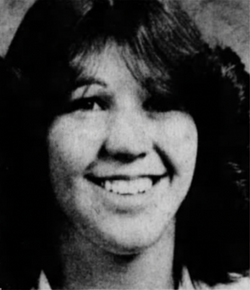
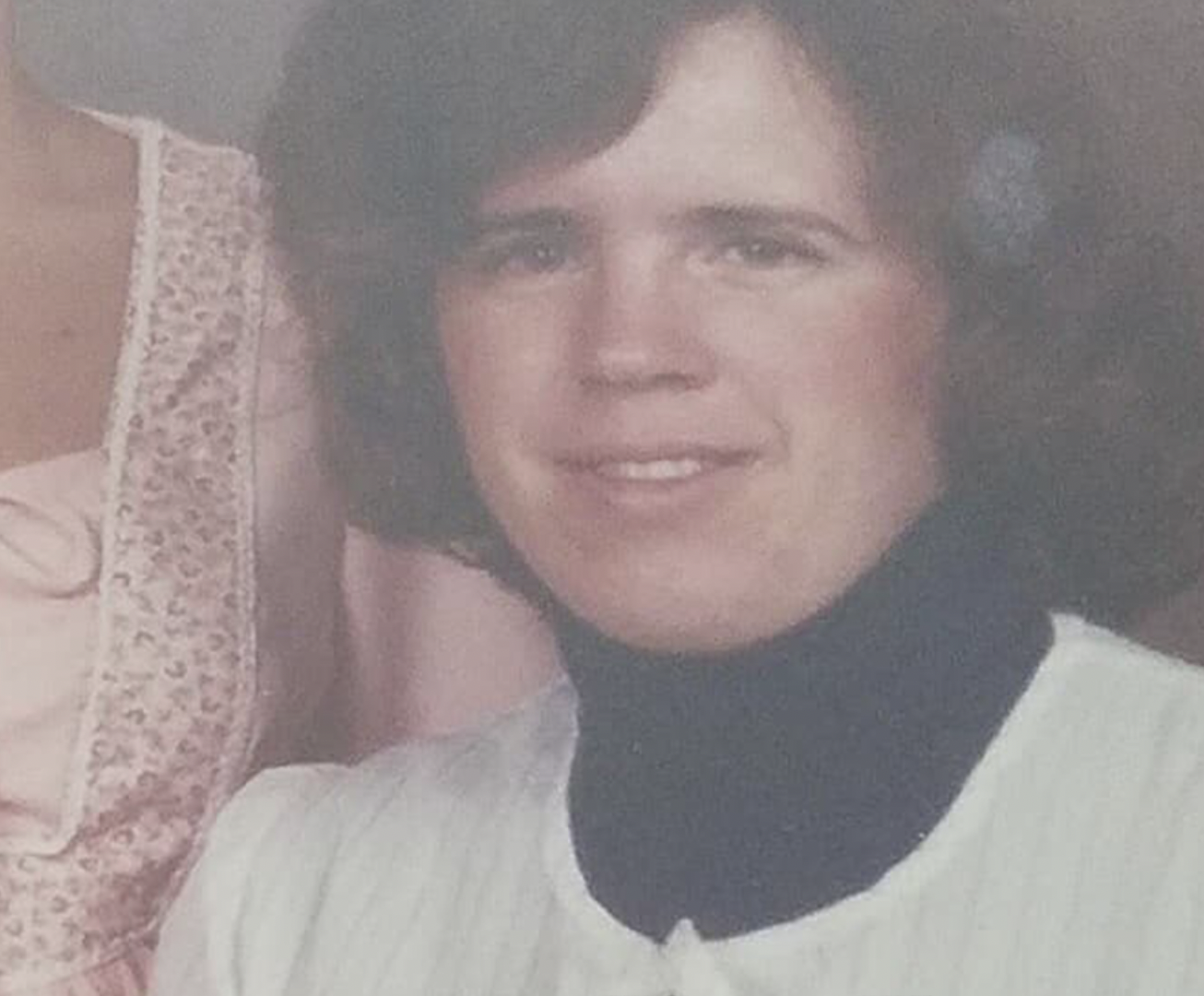
On a bright spring day in Salem, Oregon, 19-year-old Karen Elena Sprinker was looking forward to lunch with her mother. A bright and dedicated chemistry student at Oregon State University, she drove to the Meier & Frank department store downtown for their meeting on March 27, 1969. She parked her car in the store's parking structure, but she never made it to the restaurant.
Her family’s anxious wait turned into a nightmare when Karen was reported missing, her car found abandoned in the garage where she left it. Her disappearance marked the beginning of a terrifying discovery that would unravel the crimes of one of Oregon's most notorious serial killers.
Karen’s fate remained unknown for nearly two months. The search came to a grim end on May 12, 1969, when her body was discovered in the Long Tom River near Monroe. She had been weighed down with a heavy engine part. Just two days earlier and only fifty feet away, a fisherman had found the body of another young woman, Linda Salee, similarly weighted down with an auto transmission. Investigators quickly linked the two murders, noting that the distinctive and complex knots used to bind both women were identical, suggesting a common killer with a particular skill, possibly an electrician.
The investigation into the murders of Karen Sprinker and Linda Salee was part of a larger, more disturbing pattern of young women vanishing in the area. The killer was Jerome Henry Brudos, an electronics technician who lived a seemingly ordinary life in Salem with his wife and children. Known as "The Lust Killer" and "The Shoe Fetish Slayer," Brudos committed at least four murders between 1968 and 1969. His motive was a depraved need to dominate and possess women, fueled by a lifelong fetish for their shoes and undergarments.
Brudos had abducted Karen at gunpoint from the parking garage. He took her to his home, where he subjected her to a horrific ordeal in his workshop. He raped her, forced her to pose for photographs in his collection of women's lingerie and shoes, and ultimately strangled her to death. In his confession, Brudos recounted how he winched her off the ground with a rope over a ceiling beam. Afterward, he engaged in acts of necrophilia before dismembering her body and disposing of it in the river.
The investigation intensified as police received tips, including one from an Oregon State University student that pointed them toward Brudos. After a failed abduction attempt by Brudos on another young woman who managed to escape and identify him, police obtained a warrant to search his home in May 1969. There, they found a horrifying collection of evidence, including photographs of his victims, nylon rope matching that used on the bodies, and severed body parts kept as trophies.
Faced with overwhelming evidence, Jerome Brudos confessed to the murders of Karen Sprinker, Linda Salee, Jan Whitney, and Linda Slawson. On June 27, 1969, he pleaded guilty to three counts of first-degree murder for the deaths of Karen, Linda Salee, and Jan Whitney. He was sentenced to three consecutive life sentences at the Oregon State Penitentiary. He was never prosecuted for the murder of Linda Slawson, whose body was never found. Brudos died in prison from liver cancer on March 28, 2006, after serving nearly 37 years.