The coastal city of Long Beach is home to one of the busiest seaports in the world, expansive beachfront neighborhoods, and dense urban corridors that stretch across southern Los Angeles County. During the year 2000, local communities were grappling with a persistent tide of street violence and homicides that kept regional law enforcement personnel and medical examiners perpetually occupied. Amid this challenging period in the city, an encounter on the spring day of Monday, May 15, 2000, ended in sudden bloodshed and brought an abrupt end to a young life.
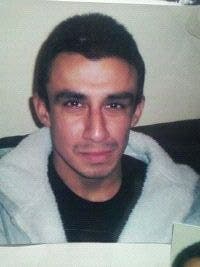
Mohammed Sabur, a 29-year-old white male, died that Monday in Long Beach. Emergency responders and local law enforcement were called to the scene to assess the situation, but his injuries proved fatal, and he could not be saved. Following his death, his body was transferred into the custody of the Los Angeles County Department of Medical Examiner-Coroner to establish formal identification and conduct an autopsy into the specific trauma that claimed his life.
The county medical examiner reviewed the circumstances surrounding the death and officially classified the incident as a homicide. While official county listings documented the overarching mechanism under the category of other causes, the exact physical injuries and lethal weapons involved in the fatal altercation were not publicly released by examining officials. The tragic death left authorities confronted with a complex investigation where key forensic and narrative details remained tightly guarded.
Detectives from the Long Beach Police Department took charge of the homicide investigation, examining the location where the incident occurred and attempting to piece together the sequence of events. In urban homicide investigations, investigators routinely canvas surrounding blocks, search for physical evidence or discarded property, and interview potential witnesses who might have seen or heard something unusual in the area. However, identifying credible witnesses and establishing a definitive timeline can prove exceptionally difficult when encounters happen without advance warning or outside the direct view of bystanders.
Despite the initial police inquiry, the case encountered severe investigative obstacles. No descriptions of suspects, getaway vehicles, or persons of interest were ever released to the general public, and investigators were unable to identify a clear motive behind the fatal encounter. With minimal initial leads materializing in the weeks and months that followed, the file gradually transitioned into the department's cold case archives, leaving crucial questions regarding what transpired completely unanswered.
Decades have elapsed since Mohammed Sabur lost his life on that spring day in 2000, yet the investigation into his killing remains entirely unresolved. No suspects have been arrested, no criminal charges have been filed, and the person or persons responsible have never been brought before a court of law. The Long Beach Police Department continues to urge anyone who holds knowledge or long-held secrets concerning the death of Mohammed Sabur to step forward and contact homicide detectives or submit anonymous tips through Crime Stoppers to help finally deliver answers.