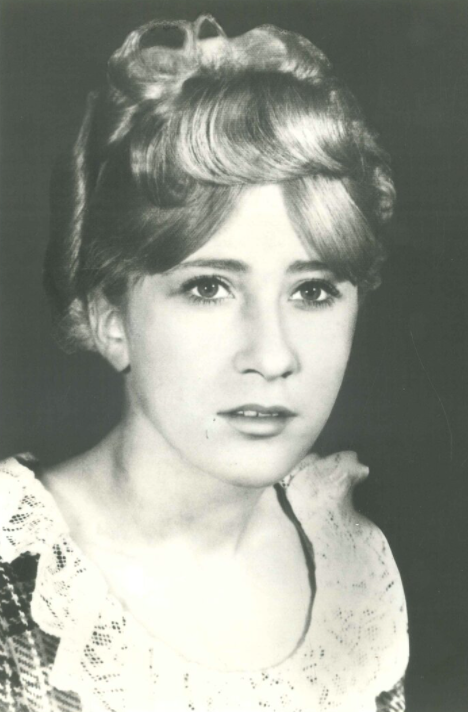
Patricia Lea Osborne was thirty-eight years old when her life was taken in Los Angeles on August 28, 2002. A white woman living in Southern California, her sudden death brought her into the jurisdiction of local law enforcement and the Los Angeles County Department of Medical Examiner-Coroner. Official records documented the tragic end of her life that late summer day, classifying the manner of death as a homicide, yet leaving the wider community with few answers about what had transpired.
The circumstances surrounding Osborne's final moments have never been fully illuminated in public police bulletins or contemporary news accounts. According to the coroner's entry, the specific medical cause of death was listed simply under the broad classification of other, and investigators have not released further details regarding the exact mechanism of injury or the immediate surroundings in which her body was found. Whether she was discovered in a private residence, along a city street, or in a public corridor remains absent from the public ledger, shrouded by the silence that often settles over cases that receive little contemporary media attention.
Her death occurred during a particularly violent chapter in the history of Los Angeles. In 2002, the city experienced a significant wave of violence, recording more than six hundred homicides across its diverse neighborhoods and taxing the caseloads of detectives throughout the department. Amid such an overwhelming volume of daily casework, numerous homicide investigations slipped past the headlines, their details largely preserved only in official files rather than newspaper reports. For investigators tasked with tracing Osborne's final hours, the challenge of reconstructing her movements and identifying who she may have been with was formidable.
Detectives assigned to look into Osborne's death faced the immediate task of gathering physical evidence, interviewing potential acquaintances or witnesses, and attempting to establish a motive. Yet despite initial reviews, no suspects were publicly identified, no persons of interest were named, and no criminal charges were ever filed in connection with the crime. The lack of publicized clues left Osborne's case without the wider public awareness that often generates anonymous community tips or fresh leads.
Decades have now passed since Patricia Lea Osborne lost her life, and the investigation remains unsolved. Without eyewitnesses coming forward or new forensic evidence shedding light on the perpetrator, the case sits among Los Angeles's unresolved cold cases. Authorities continue to encourage anyone who may have known Patricia Lea Osborne, or who possesses any knowledge regarding the events leading up to her death in August 2002, to contact law enforcement or provide an anonymous tip through Crime Stoppers so that her family may finally receive closure and accountability.