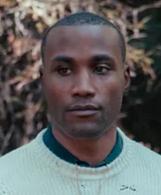
On Friday, October 18, 2002, fifty-eight-year-old Edward Louis Doxie lost his life in the Historic South-Central community of Los Angeles. Authorities were called to the scene at 632 1/2 East 41st Street, a residential address situated in a dense neighborhood lined with homes and apartment buildings just east of Avalon Boulevard. When officers and emergency personnel arrived, they found the Black man unresponsive at the location, where he was pronounced dead.
The investigation into the circumstances of his death was assigned to detectives with the Los Angeles Police Department's Newton Division, which oversees patrol and homicide investigations across Historic South-Central and neighboring communities. Investigators examined the location for physical evidence and sought to piece together the events that unfolded prior to his passing. While county coroner officials recorded the death as a homicide, the exact cause of death was officially classified as other, and specific details regarding his injuries or the precise sequence of events were never made public.
The neighborhood where the killing occurred was situated in an area long characterized by working-class family residences, local businesses, and active street life. East 41st Street runs through a community that has endured decades of challenges related to violent crime and neighborhood tensions. In the early 2000s, the surrounding area struggled with high levels of violent incidents, and the year 2002 stood out as one of the deadliest periods in modern Los Angeles history, with the city recording over 650 homicides and the county as a whole seeing more than a thousand killings.
Amid that overwhelming surge in homicides across the metropolis, police resources and investigators in divisions like Newton were continually stretched thin responding to a relentless stream of violent cases. In the atmosphere of that era, many deaths received minimal outside attention beyond the immediate families and neighbors who felt the impact. With no immediate public witnesses stepping forward and few initial leads made available to the press, Edward Louis Doxie's death received little to no media coverage, quietly becoming one of hundreds of unsolved cases added to the city's rolls that year.
In the years and decades that followed, detectives reviewed open case files across the division in hopes of finding new forensic evidence, overlooked witnesses, or tips from individuals who may have gained knowledge of the crime over time. Despite those ongoing efforts, no suspect descriptions, motive, or persons of interest were ever publicly identified by the department, and prosecutors never filed charges in connection with his death.
More than two decades after he was found on East 41st Street, the death of Edward Louis Doxie remains an open and unsolved homicide investigation. Law enforcement authorities continue to urge anyone who lived in the area in October 2002, or who possesses any knowledge regarding the events that took place that day, to come forward and contact the Los Angeles Police Department or submit an anonymous tip through Crime Stoppers so that long-overdue answers may finally be brought to light.