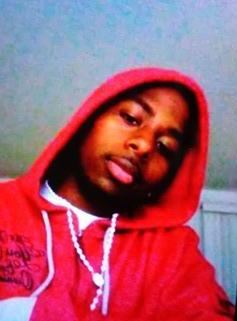
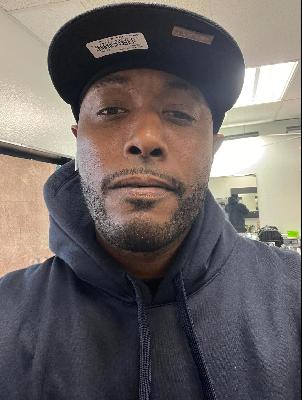
On the night of February 9, 2004, thirty-one-year-old Wabeyuma Walker stood waiting for a transit bus along a city street in Long Beach, California. Walker, a Native American man of Hualapai and Hopi tribal heritage, was living in the area when an unknown assailant confronted him without warning. During the sudden confrontation, the attacker drew a knife and stabbed him, inflicting severe trauma to his body and head before disappearing into the surrounding neighborhood.
Emergency responders arrived on the scene and rushed Walker to St. Mary Medical Center, a busy trauma facility located on Atlantic Avenue in downtown Long Beach. Medical staff immediately placed him on life support in the intensive care unit while treating massive injuries, but his condition deteriorated rapidly. Far away in Phoenix, Arizona, his family received the devastating news that he had been attacked and hospitalized.
Walker's sister, Camille Nighthorse, drove through the night from Phoenix with their mother and her husband, arriving at the hospital uncertain of what they would find. When they walked into his room, they found Walker bandaged and unconscious, kept alive only through artificial means. As his sister spoke softly and touched his face to let him know his loved ones were at his side, a solitary tear rolled down his cheek. By the early morning hours, his family felt his spirit departing, and attending physicians confirmed he had ceased showing brain activity. Walker was officially pronounced dead on February 11, 2004, two days after the assault.
Facing incomprehensible grief, Walker's mother and sister made the decision to donate his organs so that his untimely death could grant life to others. Remembered by his family as a gentle person with a humble spirit and a generous heart, Walker ended up saving multiple lives through organ donation. The following year, his family was able to meet the Los Angeles man who received Walker's transplanted heart, providing a measure of solace to a grieving family whose loved one was violently taken from them. His sister later rode on the Donate Life float during the Rose Parade in Pasadena to celebrate his enduring legacy and honor his memory.
Detectives with the Long Beach Police Department investigated the fatal stabbing, but they were hindered by the absence of eyewitnesses and forensic leads. The city of Long Beach recorded dozens of violent killings throughout 2004, leaving investigators stretched thin across an array of complex street crimes. No weapon was ever recovered, no suspect was identified or apprehended, and detectives could establish no clear motive for why Walker was ambushed at a public bus stop.
More than two decades after the attack, the murder of Wabeyuma Walker remains an unsolved cold case. Investigators have not released further details regarding the weapon or potential persons of interest, and the assailant remains at large. Police continue to urge anyone with information regarding the February 2004 attack to come forward and contact the Long Beach Police Department Homicide Detail or submit an anonymous tip through Crime Stoppers.