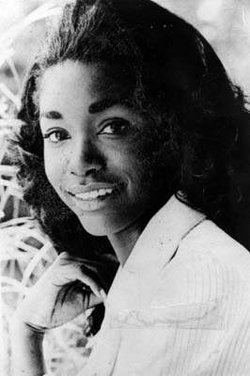
On June 5, 2005, forty-seven-year-old Barbara Elaine Mills lost her life in Los Angeles, California. Her sudden death became part of the city's grim roster of homicides during an era of significant violence across Southern California. Beyond the official confirmation of her death, public details regarding her life, background, and the circumstances surrounding her final moments have remained remarkably scarce, leaving family members, friends, and community members with lingering, unresolved grief.
Official public filings from authorities did not provide the specific location, neighborhood, or setting where Barbara Elaine Mills, a Black woman, was discovered. Emergency services and local law enforcement officers responded to the scene, but precise details regarding any physical trauma, environmental evidence, or witness accounts were not disseminated to the public. The exact cause of her death was not released in public coroner records, noted merely under non-specific categories while medical examiners conducted their formal investigation.
The Los Angeles Police Department and regional homicide investigators took up the case, seeking to reconstruct the final days and hours leading up to Mills's passing. Detectives routinely canvas surrounding areas, interview acquaintances, and look into forensic clues when evaluating unexplained deaths. However, without initial public leads or eyewitness accounts coming forward, investigators were confronted with a minimal evidentiary trail that prevented any early breakthroughs.
The year 2005 saw nearly five hundred homicides within the city of Los Angeles alone, presenting an overwhelming caseload for regional homicide divisions and investigative personnel. In neighborhoods across the county, detectives worked tirelessly to keep pace with an influx of violent crimes, frequently having to prioritize cases with immediate physical evidence or cooperating eyewitnesses. As the months passed without significant incoming tips, Mills's file gradually joined the swelling ranks of unsolved homicides across Southern California.
No suspects have ever been publicly identified, named as persons of interest, or taken into custody in connection with her death. Decades have passed since Barbara Elaine Mills died, and her case remains officially classified as unsolved. Law enforcement officials continue to keep open homicide investigations active, hoping that advancements in forensic technology or new information from individuals who may have remained silent will finally bring answers and accountability.