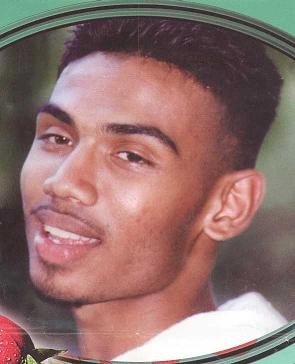
Rueben Grant, a 19-year-old male who was born in Jamaica, was fatally shot in Etobicoke in April 2000. Online police records do not support the October 1, 2026 date. Toronto Police Service lists the case as Homicide #13/2000 and records April 5, 2000 as the homicide date, while its investigative narrative states that Grant survived for several days after the shooting and died from his injuries on April 8.
Shortly before midnight on Wednesday, April 5, police were called to the area of 1817 Martin Grove Road. Grant had been shot on a nearby pathway and was subsequently found outside a residence suffering from gunshot wounds. He was rushed to hospital, but the injuries proved fatal. Contemporary reporting later described Grant, also known by the nickname “Tuffy,” as having been shot in the neck. He was the older brother of Jermaine Grant and was connected through family and neighborhood relationships to a group of young people from the Jamestown area of northwest Toronto who became caught in a succession of shootings around that period.
Grant's killing became part of a wider Toronto police investigation known as Project Alliance. The project examined six killings involving people associated with the Jamestown area that occurred before the June 2001 murder of Wayne Reid. The central obstacle was not necessarily a lack of police theories about who was responsible, but the inability to secure witnesses willing to testify. Detective-Sergeant Al Comeau, who headed Project Alliance, later said investigators believed they knew who the alleged killers were in all six cases targeted by the project. Despite approximately nine months of intensive investigative work, however, police were unable to persuade witnesses to provide the courtroom testimony necessary to move the cases forward.
The reluctance of witnesses was described as a persistent problem in the Jamestown investigations. Police reportedly met repeatedly with potential witnesses, offered protection in some instances, and attempted to pressure suspected violent offenders through arrests on unrelated matters. According to the contemporary account, fear of retaliation extended not only to witnesses themselves but also to their families. Project Alliance ultimately failed to obtain the cooperation investigators needed to prosecute those they believed were responsible for the series of killings.
Although later secondary reporting associated Grant's death with the gang conflicts occurring in north Etobicoke at the time, Toronto Police's current public homicide record does not identify a motive, name a gunman, or publish the identity of any suspect in his killing. The police page continues to request information from anyone who may know something about the case.
No publicly available source reviewed identifies an arrest, murder charge, trial, or conviction specifically for Grant's death. While investigators were reported to have developed beliefs about the perpetrators behind the Project Alliance killings, those suspected individuals were not publicly identified in connection with Grant's case in the sources located. More than two decades after the shooting on Martin Grove Road, his homicide therefore remains publicly unresolved, with no person officially named in the available Toronto Police record as the individual who fired the fatal shots.