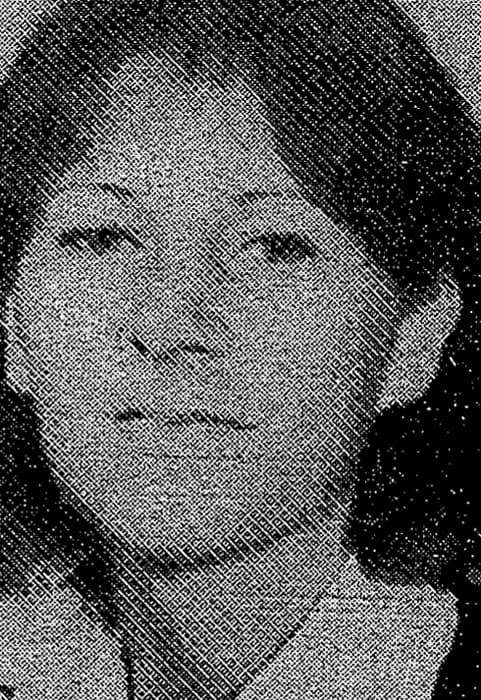
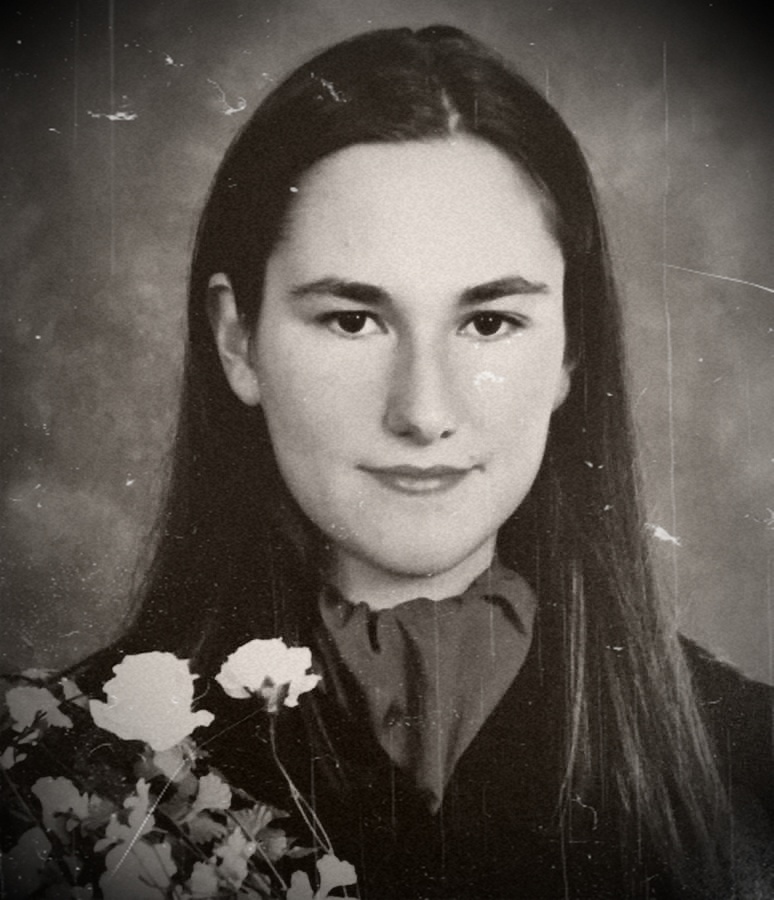
Theresa Allore, a 19-year-old White/Caucasian woman, was a student at Champlain College in Lennoxville in Quebec’s Eastern Townships and lived in student housing in nearby Compton. On Friday, November 3, 1978, she attended classes and was seen at the college during the day. She was last known to have been on campus that evening and was expected to meet friends, but she never arrived.
When she failed to return to her residence, concern gradually grew, and she was officially reported missing on November 10. Although November 3 is generally associated with her presumed death, the exact time of death was never medically established. :chatgpt-content-reference
The initial response to Theresa’s disappearance was shaped by the possibility that she had left voluntarily. Investigators did not immediately treat her disappearance as a probable abduction or homicide. She remained missing throughout the winter, with no confirmed sightings that explained what had happened after she was last seen at the college. That delay would become an important part of later criticism of the investigation, particularly because potential evidence and witnesses were not pursued with the urgency that would normally accompany a suspected violent crime. :chatgpt-content-reference
On April 13, 1979, after the spring thaw, Theresa’s body was discovered in the Coaticook River near chemin de la Station, roughly one kilometre from Compton. She was found face down and wearing only her bra and underwear; the outer clothing she had been wearing when she disappeared was never conclusively recovered. A local coroner who examined the scene reportedly observed marks on her neck that appeared consistent with strangulation. By the time a formal autopsy was performed, however, her remains had been exposed to the elements and water for more than five months, making it impossible to establish a precise cause or time of death. Toxicological testing reportedly found no drugs in her system, undermining an early theory that she might have died from an overdose. The eventual coroner’s conclusion, filed years later, described the case as a violent death of undetermined nature. :chatgpt-content-reference
Another significant piece of evidence appeared on April 20, when Theresa’s wallet was discovered along chemin McDonald, approximately 10 kilometres from where her body had been recovered. Her identification and personal papers were reportedly still inside, although the money was gone. The separation of the wallet from the body, the disappearance of her clothing, her state of undress, and the reported marks on her neck all contributed to the growing belief within her family and among later investigators that her death was more consistent with foul play than with an accidental overdose. The Sûreté du Québec continues to list the case among its unresolved files and states that investigative leads remain under consideration. :chatgpt-content-reference
Years later, Theresa’s brother John Allore and journalist Patricia Pearson began examining her death alongside other unsolved cases from the Eastern Townships. They focused particularly on the deaths of Louise Camirand and Manon Dubé and consulted criminologist and geographic-profiling specialist Kim Rossmo, who believed there were reasons to consider whether the cases could be connected. Their investigation eventually led them to Luc Yoland Grégoire, a violent offender who later murdered Lailanie Silva in Calgary in 1993. Grégoire was convicted in Silva’s killing and later died in prison in 2015. John Allore and Pearson believed Grégoire could have been responsible for Theresa’s death and other killings, but that conclusion was never established in court or formally proved by police. Grégoire himself denied having anything to do with Theresa’s death when John Allore contacted him in prison. :chatgpt-content-reference
The Grégoire theory was not the only line of suspicion to emerge. In a later update, John Allore said that he and the Sûreté du Québec had independently developed another unnamed suspect or group of suspects and discovered that they had been examining the same individuals. He described them as people connected to criminal activity around Sherbrooke during the late 1970s and said they had histories of arrests and offenses. Their identities were not publicly confirmed as Theresa’s killers, and the existence of those leads did not result in a publicly announced prosecution. :chatgpt-content-reference
No one has been arrested, charged, tried, or convicted for Theresa Allore’s death. Although Luc Grégoire was convicted of an unrelated murder years later and became the most publicly discussed possible suspect, he was never charged in Theresa’s case. More than four decades after she disappeared from Champlain College and was found dead near Compton, the Sûreté du Québec continues to treat the file as unresolved and continues to seek information capable of establishing what happened to her and who was responsible. :chatgpt-content-reference