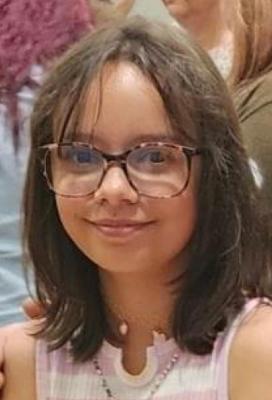
In the summer of 1977, a palpable sense of unease settled over the small town of Claremore, Oklahoma, following the disappearance of 18-year-old Laura Long. A recent high school graduate with a bright future, Laura was a familiar and well-liked figure in her community. On the evening of July 10, she drove her new car, a graduation gift from her father, to a local shopping center to get gas and meet a friend. It was the last time her parents would see her alive. Ten days of frantic searching by her family and the community ended in heartbreak on July 20, when a young boy discovered her body on a rural roadside. The state of her remains indicated she had been deceased for some time and the cause of death was determined to be suffocation.
The investigation into Laura's murder was immediately fraught with challenges, including jurisdictional disputes between local and state law enforcement agencies, which some believe hampered the initial progress of the case. In the years that followed, several individuals were considered persons of interest. Early in the investigation, the notorious serial killer Ted Bundy was briefly considered, as he had recently escaped custody. However, it was quickly determined that he was incarcerated at the time of Laura's death. Another serial killer, Henry Lee Lucas, confessed to the murder, a common occurrence in his history of false confessions. His claims were ultimately unsubstantiated, and it was proven he was not in the area when the crime occurred, leaving investigators back at square one with no credible leads.
Decades passed, and Laura's case grew cold, but the determination to find her killer never faded, particularly for her mother, Ima Long, who remained a steadfast advocate for justice for her daughter. In 1997, the case was officially reopened by a Claremore detective, bringing a renewed focus and the potential for modern forensic techniques to shed new light on the evidence. This reignited investigation led to a significant person of interest, a man who had lived in Claremore at the time of the murder. Anonymous letters sent to the police pointed toward this individual, who subsequently failed a polygraph test regarding his involvement. Despite the strong suspicion and the deceptive polygraph results, there was insufficient physical evidence to formally charge him. The case remains officially unsolved, a painful and enduring mystery for Laura's family and the community that continues to seek answers and closure for the vibrant young woman whose life was so tragically cut short.