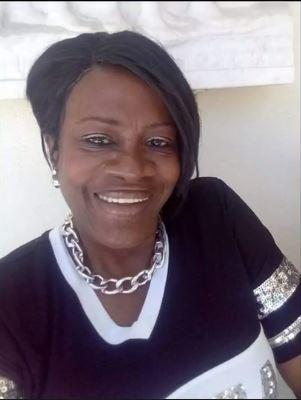
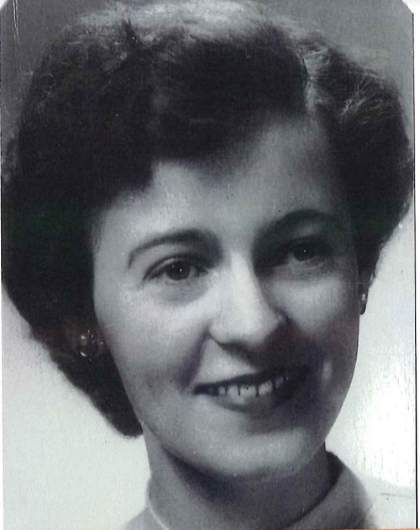
Letha Mae Williams was a 21-year-old woman whose disappearance and death became part of an unresolved Polk County homicide investigation centered in the Lakeland area. She disappeared in March 1980, with March 25 recorded as the date associated with her death. The publicly available record contains few details about her final known movements, including where she was last seen, whom she may have been with, or how investigators first learned that she was missing. What is known is that her disappearance occurred during a period when a man already suspected in a series of violent attacks in South Florida was staying in Lakeland.
Williams’s skull was later discovered in a trash pile near Lakeland. Public accounts do not provide a complete description of the recovery scene, the condition of the surrounding area, or whether additional remains belonging to her were found. The discovery established that her disappearance had ended in death, but the limited physical evidence appears to have made it difficult for investigators to reconstruct precisely when, where, and how she was killed. Publicly accessible reports also do not clearly identify an official cause of death.
The principal suspect connected to Williams’s case was Eddie Lee Mosley, a Fort Lauderdale man who was suspected of committing numerous sexual assaults and murders over a period of many years. Mosley had attracted police attention in Broward County before traveling to Lakeland, where he reportedly stayed with his grandmother. Investigators believed that he left Fort Lauderdale while authorities were examining a series of killings there. Williams disappeared while Mosley was in the Lakeland area, and another young woman, identified in reports as Ida Ingles or Ida Eagles, was also killed during the same general period.
Mosley was reportedly detained or questioned during the initial investigation into the Lakeland disappearances. At that point, however, Williams’s remains had not been located, and investigators lacked enough evidence to hold him on a murder charge. He was released and returned to Fort Lauderdale. Shortly afterward, on April 12, 1980, Mosley was arrested in Broward County during an attack on another young woman. That arrest led to a rape-related conviction and a 15-year prison sentence, although the conviction was later overturned or reduced through appellate proceedings, and he was released in December 1983 after serving several years.
Williams’s homicide remained unresolved for more than two decades. In 2001, Lakeland police reopened her case along with the killing of Ida Ingles. The renewed scrutiny came as DNA testing and reinvestigation of several South Florida murders were exposing Mosley’s connection to other victims and overturning convictions obtained against men who had been wrongly blamed for some of those crimes. Detectives considered Mosley a significant suspect in Williams’s death because of his presence in Lakeland, the timing of her disappearance, his established pattern of violence against women, and his suspected involvement in numerous similar cases.
Despite those suspicions, no publicly documented forensic test conclusively tied Mosley to Williams’s remains. He was never brought to trial for killing her, and no other person is known to have been arrested or charged in connection with her death. Mosley was later found incompetent to stand trial on separate murder charges and spent much of the remainder of his life in state psychiatric institutions. He died in 2020 without ever being prosecuted for Williams’s killing.
Letha Mae Williams’s case therefore remains officially unsolved. Eddie Lee Mosley stands as the most prominently identified suspect, but suspicion never developed into a completed murder prosecution, trial, or conviction. The passage of time, the delayed discovery of limited remains, and the apparent absence of surviving evidence strong enough to meet the burden required in court left her family without a definitive legal resolution.