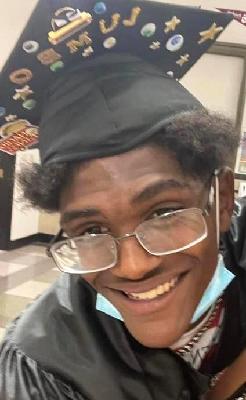
On April 25, 2010, Domonic Baker died in connection with a homicide case tied to Buffalo, New York. He was a 20-year-old Black man. The public record that lists his case places him in Erie County and connects the investigation to the Buffalo Police Department, marking the death as a murder even while many of the surrounding facts remain frustratingly out of reach.
In the entry describing the case, the details read like the outline of a story with whole pages missing: the suspect is listed as unknown, and the case status remains unsolved. The incident location is recorded only as “Wick” in Buffalo, offering a single word where a full scene should be—no narrative of what led up to the killing, no public description of how it happened, and no named person to pursue. Even the cause is left as unknown, a stark reminder that sometimes the public-facing record of a murder is little more than a marker in time and place.
As of the information available in that listing, there are no arrests identified for Domonic Baker’s killing and no suspects publicly named. The entry does not describe charges, court proceedings, or any later resolution; instead, it preserves the case in its unresolved state, with the “unknown” fields standing in for what investigators may know privately—or what they may still be trying to learn.
Away from the sparse case summary, another public record places his death on the same date and shows where loved ones could return to remember him: Domonic Baker is listed as buried at Holy Cross Cemetery in West Seneca, Erie County, New York. The distance from the word “Wick” on a case line to a gravesite in West Seneca is the quiet arc that follows violence—an ending made physical, while the questions that should have ended with it remain open.
The database that carries his name notes the case was gathered through a partnership connected to The Washington Post’s work on unsolved murders, and it directs anyone with information to contact the Buffalo Police Department. In the absence of a named suspect or an arrest, that appeal becomes the lingering thread in the story: a case still waiting for someone, somewhere, to say the one thing that finally turns a death on a date into an answer with a name.