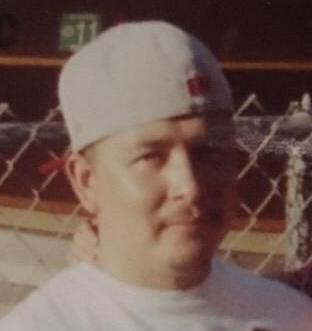
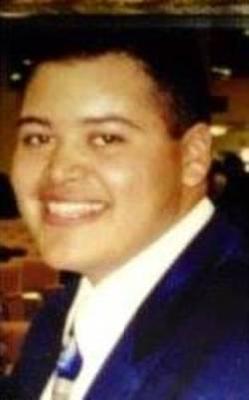
In the early hours of Saturday, November 15, 2025, quiet North Third Street in Grover Beach was shattered when police were called to a home in the 300 block just after 12:30 a.m., where they discovered the bodies of Owen James Wesner, 28, and Emily Lourin Reilly, 24, both dead from gunshot wounds inside the residence. What began as a report of a shooting quickly turned into a grim crime scene as officers confirmed that neither of the two could be saved.
Initial reports from local outlets described only that two people had been found dead in the home, with the full extent of what had happened still unclear as investigators worked through the night and into the morning.
Over the next two days, the San Luis Obispo County Sheriff’s Office coroner division formally identified the deceased as Wesner and Reilly, and law enforcement agencies began to shape the public narrative of what had occurred. A series of statements from the Grover Beach Police Department and regional news outlets described the event as a suspected or apparent murder-suicide, emphasizing that both deaths were being treated as part of a single, contained incident rather than the work of an unknown assailant. A regional crime report summarizing the case echoed those official releases, noting that officers had responded specifically to a “murder-suicide” at the address and that the two decedents had been positively identified by the coroner’s office.
Even as the basic facts became public, the deeper story of what led to the gunfire inside the house remained hidden. Police acknowledged that one of the two individuals was a resident of the home, but they did not specify which one, nor did they publicly clarify the nature of the relationship between Wesner and Reilly. Officials stated that the incident was believed to be a murder-suicide, yet they declined to release any narrative of who might have fired the shots or how the confrontation unfolded inside the residence. There was no mention in public statements of prior calls to the address, any history of domestic disputes, or any warning signs that might have foreshadowed the violence, leaving neighbors and readers with little more than the stark outline of two lives ending behind closed doors.
In the days that followed, online memorials and gun-violence tracking sites recorded Wesner’s name among those lost to firearms, listing the date and city of his death and linking to the local news coverage that first brought the tragedy to light. One tribute article described the Grover Beach community as mourning his loss and alluded to him being remembered for a kind spirit, even as details about his life, work, and relationships remained largely absent from official reports. Visitors to these pages could see his name paired with Reilly’s, an enduring reminder that both died together in the same home on the same night, their stories compressed into a handful of lines about gunshots, police tape, and unanswered questions.
Throughout the coverage, authorities consistently emphasized that the investigation was ongoing and that they were not releasing further information. No arrests were announced, and there was no indication that law enforcement was searching for any additional suspect beyond the two people already found dead at the scene. Instead, the case has been framed entirely within the language of a murder-suicide: a devastating, self-contained eruption of violence that left investigators, neighbors, and those reading from afar with more speculation than certainty about what preceded those final moments inside the house on North Third Street.