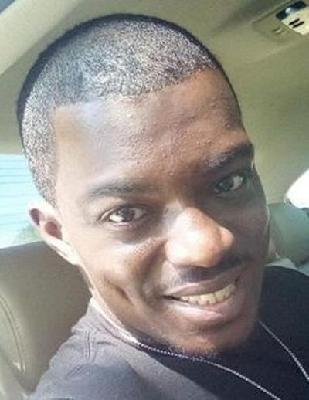
Robert Brent Jr., 22, was a male from Crystal Springs, Mississippi, remembered by those close to him as deeply rooted in his faith and fiercely loving toward his family. Born on March 12, 2003, he grew up in Crystal Springs and was described in his obituary as someone who embraced Christianity early in life and could quote scripture as easily as reciting the alphabet. Friends and relatives knew him by the nickname “Betha,” a young father who loved to dress sharp, enjoy his independence, and dote on his little girl while keeping a tight circle of family and friends around him.
On the evening of October 27, 2025, everything changed. Around 6 p.m., officers were called to North Jackson Street in Crystal Springs, where they discovered Brent inside a vacant apartment with multiple gunshot wounds. First responders and the Copiah County coroner pronounced him dead at the scene, and early reports stressed that he had been found alone in an abandoned unit, the stark setting underscoring how abruptly his life had been cut short. In the hours immediately following the shooting, investigators released few details, saying only that they were working to determine what had led up to the violence and asking for anyone with information to come forward.
News of the killing moved quickly through Crystal Springs, a close-knit town where families often know one another across generations. Memorial posts and online tributes spoke of Brent not as a headline but as a son, brother, grandson, cousin, friend, and father whose laughter and easy smile could change the mood of a room. Writers on remembrance sites described a young man with a big, open heart, someone who lifted others when they were struggling and who had plans and dreams for the future that would now never be realized. As word spread, the community responded with shared grief—offering prayers, support, and comfort to his family, and later coming together again around his funeral and celebration-of-life services in mid-November.
In the initial days after the shooting, police focused on building a picture of what had happened inside and around the vacant apartment. Reports indicated that investigators were pursuing leads tied to a vehicle potentially connected to the case, while also canvassing the neighborhood for witnesses and any surveillance footage that might show who had come and gone from North Jackson Street that evening. Even as officers worked the scene and processed evidence, they kept the public line simple: the motive was unknown, the investigation was active, and they needed help from anyone who had seen or heard something out of place that night.
Within days, authorities announced a major development. Local coverage summarizing law-enforcement statements reported that three people—a 17-year-old, a 19-year-old, and a 21-year-old—had been arrested in connection with Brent's killing. These were described as suspects in the case, taken into custody after the initial investigative push that followed the discovery of his body. Despite the arrests, officials emphasized that the shooting remained under investigation, signaling that detectives were still working to sort out each person's role, how the confrontation inside the apartment unfolded, and why Brent had been there in the first place. Publicly available accounts did not list the suspects' names or spell out specific charges, reflecting the ongoing nature of the case and, in the youngest suspect's situation, likely juvenile-justice constraints.
As the legal process moves forward, Crystal Springs continues to live with unanswered questions. No clear motive has been made public, and there have been no widely reported updates on court proceedings or trial dates for the three arrested individuals beyond confirmation that the case is still active. What persists instead is the imprint Brent left behind: a grieving father and extended family, a young daughter growing up with stories instead of memories, and a town that has been reminded in the harshest way how fragile life can be. In tributes and at the graveside, those who loved him have tried to shift the focus from the vacant apartment on North Jackson Street back to the person they knew—faithful, expressive, and loving—and to the hope that, in time, the justice system will give them clearer answers about how and why his life ended that October evening.