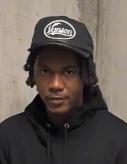
Aldo Troncoso, a 24-year-old Hispanic male who was known to friends as "Trigger," was fatally shot on February 26, 2011, in San Francisco, California. Born on October 7, 1986, in Silao, Guanajuato, Mexico, Troncoso was the son of Delfino Troncoso and Maria Elena Hidalgo. His life ended during a period of escalating street violence in San Francisco's Mission District, where a longstanding rivalry between the Norteño and Sureño street gangs had contributed to a series of shootings and confrontations. His death became the first reported homicide of 2011 in the Mission District and raised concerns about the possibility of further retaliatory violence.
The shooting occurred at approximately 2:25 a.m. near the intersection of 17th and Mission streets, an area police identified as Sureño gang territory. San Francisco police responded to reports of gunfire and discovered that Troncoso had suffered gunshot wounds. He was transported to a local hospital for emergency medical treatment but died at approximately 4:00 a.m. Police Sergeant Mike Andraychak confirmed the circumstances of the shooting and reported that a black SUV-type vehicle had been observed leaving the scene. Investigators initially had no publicly identified suspects, and no arrests were announced in the immediate aftermath.
The circumstances surrounding Troncoso's murder suggested a possible connection to the ongoing conflict between rival street gangs. In the weeks preceding his death, violence had increased in the Mission District, including a February 7 shooting near the same intersection that left another individual injured. Investigators believed the broader outbreak of violence was connected to territorial disputes between the Norteños and Sureños. In February, Sureño graffiti had appeared in Norteño territory near 19th and Bryant streets, heightening tensions between the rival groups. Although Troncoso was killed in an area associated with the Sureños, early reporting did not conclusively establish whether he was affiliated with a gang. Police nevertheless considered the possibility that his death was connected to the escalating rivalry, and the department's gang task force assisted homicide investigators.
In the days following the murder, friends and loved ones established a memorial at the intersection where Troncoso had been shot. Photographs, candles, flowers, balloons, and blue bandanas were placed near a telephone pole, along with a message remembering him by his nickname, Trigger. His girlfriend was among those who visited the memorial, embracing the pole where a photograph of him had been displayed. Friends gathered to remember him, arranging candles into the shape of a cross and maintaining the memorial as the neighborhood struggled with the violence. However, the memorial itself became a source of further tension when it was vandalized several days after his death.
On March 1, 2011, someone damaged the memorial dedicated to Troncoso. The following day, another shooting occurred near Harrison and 24th streets, an area associated with the Norteños. Investigators believed the attack might have been retaliation for the vandalism. During the March 2 shooting, a gunman fired at least 12 rounds toward a 26-year-old individual. The victim was struck by one bullet but survived. Another bullet entered a nearby residence, although nobody inside was injured. Police believed the sequence of events reflected a dangerous escalation in the rivalry between the two gangs. At the time, authorities reported that no arrests had been made in either Troncoso's murder or the subsequent shooting.
The violence prompted an intensified response from the San Francisco Police Department. Mission Station Captain Greg Corrales identified preventing additional bloodshed as a major priority, and officers increased patrols throughout the neighborhood. Undercover personnel and gang investigators were deployed to areas experiencing heightened tensions. Interim Police Chief Jeff Godown also convened an emergency meeting involving police officers, gang investigators, community leaders, and violence-prevention specialists. Authorities worked with organizations including the Community Response Network, HOMEY, Mission Beacon, the Boys and Girls Club, and the San Francisco General Hospital Wraparound Project to discourage retaliation and prevent additional confrontations.
Police and community leaders also took precautions surrounding Troncoso's funeral because the funeral home and church were located in territory associated with the rival Norteño gang. His visitation was held on March 4, 2011, at Driscoll's Valencia Street Serra Mortuary in San Francisco. A Catholic funeral Mass followed on March 5 at St. James Church on Guerrero Street. Authorities coordinated security arrangements and escorted mourners through areas where additional violence was feared. Community intervention efforts helped prevent the tensions surrounding the funeral from escalating into further confrontations.
Troncoso was survived by his parents, Delfino Troncoso and Maria Elena Hidalgo; his sister, Sandra Troncoso; his brother, Felix Troncoso; and several nieces and nephews. His death left family members, friends, and his girlfriend grieving while the surrounding community confronted the continuing consequences of gang-related violence. What began as an early-morning shooting became part of a larger struggle to prevent retaliation and restore safety to the Mission District.
As of the latest publicly available reporting located, no individual has been conclusively identified in published accounts as the person responsible for murdering Troncoso. Although investigators examined possible gang connections and the black SUV observed leaving the scene, no verified public information was found documenting an arrest, murder charge, trial, or conviction specifically associated with his death. The available reporting therefore does not establish that his murder has been officially solved. His case remains a reminder of the devastating consequences of gun violence and the unanswered questions that can remain for families long after the immediate violence has ended.