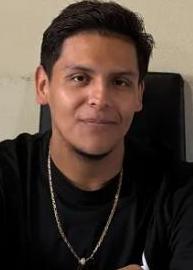
Luis Angel Muñoz García, 25, a male of Hispanic/Latino origin, was found shot to death in a narrow alley off 97th Street and Normandie Avenue in South Los Angeles on July 10, 2025. Homicide detectives with the Los Angeles County Sheriff’s Department were called just before late morning to the 1200 block of West 97th Street, beginning an investigation in the Vermont Vista area where neighbors awoke to crime-scene tape and quiet questions about what had happened in the shadows between homes.
The Los Angeles County Medical Examiner later identified him and determined he died by gunshot wounds, ruling the manner of death a homicide.
He had celebrated a birthday only days earlier, turning 25 on July 6, and his family had reported him missing before learning he was the victim discovered in the alley. In a short, aching post shared for a funeral fundraiser, his sister described him as calm and funny, “full of light,” a young man whose achievements made them proud—a portrait at odds with the sudden violence that ended his life. Community posts and memorial pages soon carried his name, placing him among those “lost to gun violence” in Los Angeles on that summer Thursday.
Deputies canvassed the neighborhood and asked the public for tips, but in the hours after the discovery there was no description of a suspect, no clear motive, only the sterile markers of a case file—time, place, and cause—standing in for answers that did not come. As of the reports published around the incident and its immediate aftermath, authorities had announced no arrests and released no suspect information, while incident logs simply recorded the location and the fatal outcome. The investigation remained in the hands of homicide detectives, with appeals to Crime Stoppers and the Sheriff’s Homicide Bureau for anyone who might help explain how a walk down an alley turned into an irretrievable loss.
In the weeks that followed, smaller outlets and data trackers preserved the basic outline: a young man’s name, an alley between streets familiar to generations of South L.A. families, and a date—July 10, 2025—fixed to a story still missing its final chapter. The Medical Examiner’s case listing and independent aggregators echoed the official determination, while local coverage tied his identity back to the family who had been looking for him. For now, the most complete record is the one written by those who loved him, and by the city’s routine of blue lights and numbered evidence placards—signs of a search for accountability that has yet to point to a suspect.