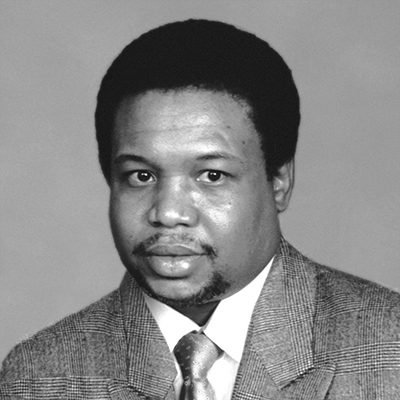
In the autumn of 2001, a palpable sense of unease lingered in the air across the United States, particularly in the nation's capital. It was in this climate of heightened alert that Joseph Curseen, a 47-year-old male employee of the United States Postal Service, went about his duties at the Brentwood mail processing and distribution center in Washington, D.C. A dedicated worker with 15 years of service, Curseen was known for his quiet demeanor and commitment to his job.
In mid-October, he began to experience flu-like symptoms that rapidly worsened. On October 22, 2001, Joseph Curseen died, leaving his family and colleagues in shock and grief.
Initially, the cause of his sudden illness was not immediately clear. However, as another postal worker from the same facility, Thomas Morris Jr., also succumbed to a similar mysterious illness, a frightening picture began to emerge. The FBI launched what would become one of the most complex and largest investigations in its history, codenamed 'Amerithrax.' It was soon determined that Curseen and Morris had died from inhalation anthrax, a result of handling mail tainted with the deadly spores. The Brentwood facility, where they had both worked diligently, was identified as the site of their exposure. The investigation into their deaths was treated as a homicide.
The investigation spanned several years, involving thousands of interviews and the analysis of a massive amount of evidence. For a period, the focus of the investigation centered on a bioweapons expert named Steven Hatfill, who was eventually exonerated. Through groundbreaking scientific analysis, investigators were ultimately able to trace the specific strain of anthrax used in the attacks to a single flask at the United States Army Medical Research Institute of Infectious Diseases at Fort Detrick, Maryland.
This crucial breakthrough led investigators to Dr. Bruce Ivins, a senior biodefense researcher at USAMRIID. As the investigation zeroed in on him, evidence mounted that suggested he was the sole perpetrator of the deadly mailings. In August 2008, as federal prosecutors were preparing to file formal charges against him, Dr. Ivins took his own life. Following his death, the Department of Justice and the FBI formally concluded their investigation, publicly naming Bruce Ivins as the individual responsible for the 2001 anthrax attacks that took the lives of five people, including Joseph Curseen. The case was officially closed without any arrests being made due to the death of the primary suspect.